
Small Habits, Big Impact: Functional Neurology’s Guide to Daily Brain-Boosting Health

In functional neurology and chiropractic care, we believe the brain and body are intricately connected. Optimal neurological function isn’t just about treating symptoms, it’s about creating daily habits that support brain health at its core. Small, intentional shifts in your routine can significantly improve how your brain and body communicate, heal, and thrive.

Here are a few foundational habits and supplements that support neurological wellness, from a functional perspective.

1. Prioritize Restorative Sleep

Sleep is when the brain does its most essential housekeeping. During deep sleep, your brain clears out metabolic waste, consolidates memory, and restores nervous system balance. Poor sleep can lead to inflammation, hormonal imbalances, and impaired brain function, which we see frequently in patients with neurological complaints.

Tips to improve sleep:
        •       Stick to a consistent sleep schedule
        •       Avoid blue light and screens one to two hours before bed
        •       Consider magnesium, more on that below, to help calm the nervous system

2. Get Enough Vitamin D

Vitamin D plays a crucial role in brain development, mood regulation, and immune response. Deficiency has been linked to cognitive decline, depression, and autoimmune issues. In northern climates like ours in Pennsylvania, it’s common for people to fall short on vitamin D through sunlight alone.

We recommend getting your levels tested and working with a provider to determine appropriate supplementation. Vitamin D3 with K2 is often ideal for better absorption and bone support.

3. Move Your Body with Purpose

Exercise isn’t just about building strength, it’s medicine for the brain. Movement stimulates the vestibular system, improves circulation, increases oxygen to the brain, and promotes the release of brain-derived neurotrophic factor, which supports neuroplasticity.

From a chiropractic neurology perspective, activities like walking, dancing, swimming, or balance-based exercises can activate different regions of the brain and improve coordination, especially when combined with spinal adjustments and therapeutic exercises.

4. Consider Functional Supplements

While a nutrient-rich diet is essential, supplements can help support brain performance and reduce inflammation when used correctly.

Here are a few we often recommend:

Turmeric (Curcumin)
This anti-inflammatory compound supports a healthy inflammatory response and has shown neuroprotective benefits in current research. It may be especially helpful for those dealing with chronic pain or neuroinflammation.

Magnesium
Magnesium supports hundreds of biochemical processes in the body, including muscle function, energy production, and nervous system regulation. It is particularly helpful for promoting restful sleep, reducing headaches, and calming the overactive stress response.

We carry high-quality, bioavailable supplements in our office, but we strongly recommend meeting with a healthcare provider before starting any new supplement regimen to make sure it is appropriate for your individual needs.

5. Stimulate Your Brain Intentionally

Just like your body, your brain benefits from challenge, variation, and rest. In functional neurology, we often assess which areas of the brain may be underactive or overactive, and we recommend specific exercises to bring them into balance.

At home, you can support your brain with practices like learning new skills, mindfulness or breathwork, eye movement exercises, or anything that challenges your focus and coordination.
The Bottom Line

Functional neurology is about discovering the root cause behind your symptoms and giving your brain the tools it needs to heal and thrive. Habits like getting quality sleep, moving daily, and using targeted supplements can go a long way in supporting your nervous system.

If you’re unsure where to start, we’re here to help. Visit our office to learn more about personalized brain health strategies and the professional-grade supplements we offer. Your brain and body will thank you.

The Importance of Eye Movements in Functional Neurology: A Closer Look

Last month, we focused on a fascinating aspect of brain function and health—eye movements. Eye movements can reveal so much about how the brain is working, and at our functional neurology clinic, they are a key part of our diagnostic and therapeutic approach. Understanding these movements and what they tell us can help uncover neurological dysfunctions that might otherwise go unnoticed. In this blog post, we’ll dive deeper into the eye movements we discussed on our Instagram, why they matter, and how we evaluate and train these movements in our clinic.

VNG: A Tool for Comprehensive Eye Evaluation

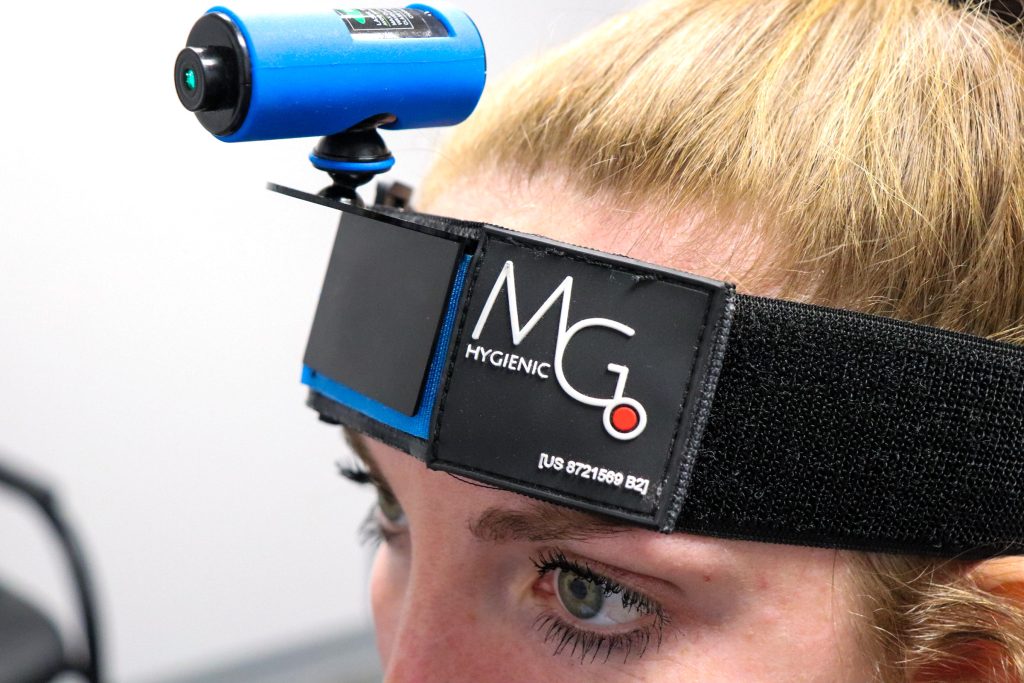
One of the main tools we use to evaluate eye movements is video nystagmography (VNG). This technology allows us to record and analyze eye movements in great detail, helping us assess various neurological conditions, from vestibular dysfunctions to concussions. By tracking the eye’s response to specific visual and physical stimuli, we can get valuable insight into the brain’s ability to control movement, focus, and balance. VNG helps us measure responses like saccades, pursuits, and the optokinetic response (OPK), giving us a clearer picture of how well the brain and body are communicating.

Saccades: Quick Movements with Big Implications

Saccades are the rapid, quick eye movements we make when shifting our gaze from one object to another. They are automatic and necessary for tasks like reading or scanning a room. In functional neurology, saccades tell us about how the brain is processing information and controlling motor functions. Impaired saccades may point to issues with attention, focus, and cognitive processing speed, or they may suggest damage to areas like the cerebellum or brainstem. By assessing the accuracy and speed of saccades, we can help patients improve their eye movement control and, in turn, their overall brain function.

Pursuits and OPK: The Brain’s Ability to Track Movement

Pursuits, or smooth pursuit movements, are slow, controlled eye movements that allow us to track moving objects. For example, when you watch a car drive down the street, your eyes follow it smoothly. Poor pursuit movements can indicate neurological problems that affect balance, focus, or visual processing. Alongside pursuits, we evaluate the optokinetic response (OPK), which measures the eye’s ability to follow a moving object while being aware of the background. OPK is crucial for spatial awareness and can reveal deeper insights into how the brain integrates visual information.

Convergence and Divergence: Working as a Team

Convergence and divergence are movements that help the eyes work together as a team. Convergence occurs when the eyes move inward to focus on a nearby object, while divergence happens when they move outward to focus on something farther away. These movements are essential for tasks like reading, and problems with convergence or divergence can cause headaches, eye strain, and difficulty concentrating. To evaluate these movements, we often use Brock Beads, a simple but effective tool for training the eyes to improve convergence and divergence. This helps retrain the brain and eyes to work together smoothly, improving both vision and cognitive function.

Nystagmus: Involuntary Eye Movements

Nystagmus is an involuntary, repetitive movement of the eyes that can be horizontal, vertical, or rotary. It’s usually a sign of an underlying neurological or vestibular issue. By studying nystagmus, we can uncover dysfunctions in the vestibular system, which plays a key role in balance and spatial orientation. Identifying nystagmus is important for diagnosing conditions like vertigo, concussion, or other balance-related disorders, allowing us to tailor specific therapies to help manage these issues.

Square Wave Jerks: Small Movements, Big Clues

Square wave jerks are small, quick eye movements that interrupt fixation—when the eye is trying to stay focused on a single point. While they may seem minor, these movements can be indicative of more significant neurological problems, particularly in the brainstem or cerebellum. Monitoring square wave jerks can help us evaluate the integrity of these areas of the brain and guide treatment approaches that focus on improving motor control and stability.

Eye Alignment: Hypotropia, Hypertropia, Esophoria, and Exophoria

Issues with eye alignment, such as hypotropia (one eye pointing downward) or hypertropia (one eye pointing upward), can indicate neurological imbalances affecting the muscles that control eye movements. Similarly, esophoria (inward deviation) and exophoria (outward deviation) point to problems with binocular vision—how well the eyes work together. These conditions can lead to double vision, headaches, or eye strain, especially during tasks that require focus, like reading or working on a computer. Correcting these imbalances through therapies that train the eyes to align properly can significantly improve a patient’s daily functioning.

Why Eye Movements Matter in Functional Neurology

In functional neurology, eye movements offer a window into the brain’s health and function. When we evaluate how the eyes move, track objects, or focus on specific points, we are really assessing how different parts of the brain are working together. Issues with eye movements can indicate broader neurological problems that affect balance, coordination, cognitive processing, and focus. By addressing these issues through targeted therapies, we can help patients improve not just their vision, but their overall brain function and quality of life.

What We’ve Learned and What’s Next

Last month, we took a deep dive into eye movements on our Instagram page, exploring how they reveal important insights into brain function. This month, we’ll continue to expand on these ideas, offering more information on how we use advanced diagnostic tools and therapies to address neurological dysfunctions. Whether it’s training the eyes to work together or improving how the brain processes visual information, we’re committed to helping our patients regain control of their health.

Stay tuned as we continue to explore these important topics and showcase the powerful ways functional neurology can make a difference in your life!

Unleashing Your Brain’s Potential: A Functional Neurologist’s Perspective on Brain Training

In our ever-evolving understanding of brain health, one thing is clear: the brain is not a static organ but a dynamic, adaptable system capable of remarkable change. This adaptability, known as neuroplasticity, is at the heart of brain training. As functional neurologists, we harness this power to improve cognitive function, coordination, and overall brain health. In our clinic, we use a variety of cutting-edge tools to achieve these goals, each designed to target specific areas of brain function. Here’s how they work and why they are essential in our practice.

Highmark EQ Brain Training and C3 Logix

Let’s start with two powerful tools: Highmark EQ Brain Training and C3 Logix. Highmark EQ is designed to strengthen the connection between cognitive processes and emotional regulation. By challenging the brain with tasks that require both cognitive agility and emotional control, we can improve decision-making, enhance emotional resilience, and boost overall cognitive performance. This is particularly beneficial for individuals who experience difficulty in managing stress or making quick, effective decisions.

C3 Logix, on the other hand, is a comprehensive brain function testing and training tool. It allows us to assess various aspects of brain performance, including memory, motor skills, and cognitive speed. By identifying specific areas of weakness, we can create a targeted training program to improve those functions. C3 Logix is invaluable for anyone recovering from a brain injury or looking to optimize their cognitive function for daily life or high-performance environments.

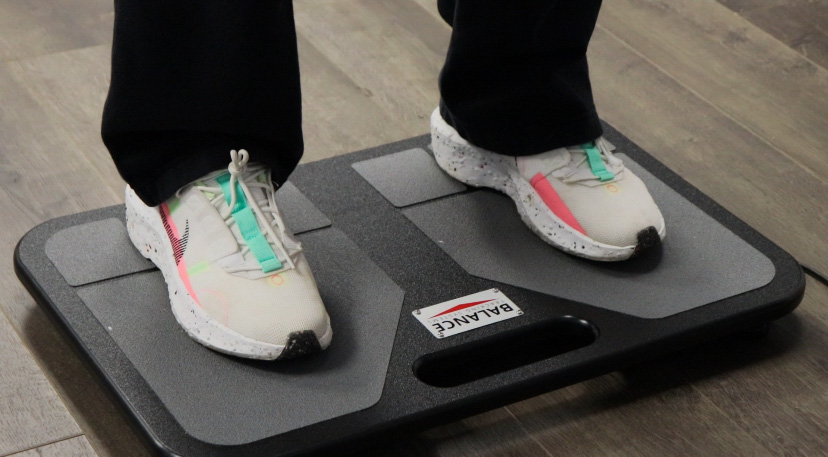
Balance Training with BTracks Board

Balance is a fundamental aspect of both physical and cognitive health, and our BTracks board plays a crucial role in training it. Balance training is not just about staying upright; it’s about improving the brain’s ability to process sensory information and coordinate muscle movements. The BTracks board challenges the brain to maintain stability in various positions and under different conditions, enhancing proprioception and vestibular function. This type of training is particularly beneficial for individuals recovering from injuries, those with balance disorders, or athletes looking to optimize their performance.

Neuro Sensorimotor Integrator

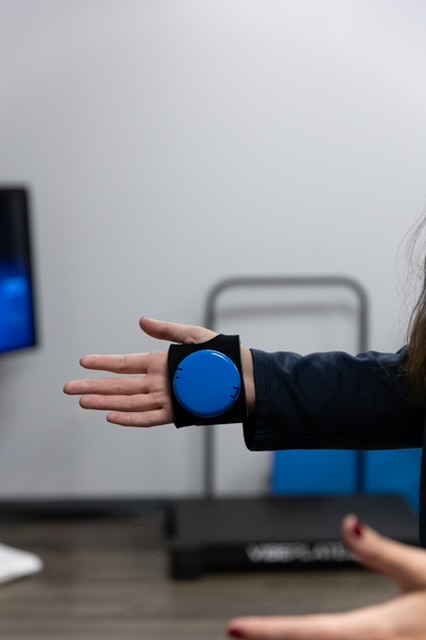
The Neuro Sensorimotor Integrator (NSI) is another vital tool in our brain training arsenal. This device is designed to improve the integration of sensory and motor functions. By engaging the brain in tasks that require precise hand-eye coordination, visual processing, and motor planning, the NSI helps to strengthen neural pathways that are essential for everyday activities. It’s particularly effective for individuals with learning disabilities, ADHD, or those recovering from a stroke, as it enhances cognitive functions while also improving physical coordination.

Interactive Metronome

Timing is everything, especially when it comes to brain function. The Interactive Metronome is a unique tool that trains the brain’s timing mechanisms. By requiring patients to match their movements to a rhythmic beat, the Interactive Metronome helps improve cognitive processing speed, attention, and motor coordination. This type of training is particularly beneficial for individuals with ADHD, autism, or anyone looking to enhance their cognitive efficiency and motor skills.

Motion Guidance

Our Motion Guidance system is a distinctive approach that combines cognitive and motor training. By engaging in exercises that require precise movements, patients work on improving their spatial awareness, proprioception, and motor control. This training is especially beneficial for individuals with vestibular disorders, neck pain, or those recovering from a concussion, as it helps retrain the brain to manage movement and coordination effectively.

Neurofeedback

Neurofeedback is perhaps one of the most fascinating tools we use in our practice. This technique involves monitoring brainwave activity and providing real-time feedback to the patient. By visualizing their brainwaves, patients can learn to regulate their brain function, improving focus, reducing anxiety, and enhancing overall mental clarity. Neurofeedback is particularly effective for individuals with anxiety, depression, ADHD, and sleep disorders, as it empowers them to take control of their brain’s activity patterns.

Why We Use These Tools in Our Functional Neurology Office

At the core of functional neurology is the belief that the brain can change and improve its function with the right stimuli and training. The tools we use in our clinic are carefully selected to target specific aspects of brain function, whether it’s cognitive performance, motor coordination, or emotional regulation. Each tool plays a unique role in helping our patients achieve optimal brain health, whether they are recovering from an injury, managing a neurological condition, or simply looking to enhance their cognitive abilities.

By combining these advanced technologies with personalized care, we can offer a comprehensive approach to brain training that is both effective and sustainable. Our goal is to empower our patients to take an active role in their brain health, providing them with the tools and support they need to reach their full potential. Whether you’re looking to recover, maintain, or optimize your brain function, our functional neurology office is here to guide you on your journey to better brain health.
Sent from my iPhone

What Is Videonystagmography & How Can It Help Me?

Have you ever heard the saying, ‘The eyes are the window to the soul?’ This phrase usually refers to observing a person’s emotional well-being, however the eyes also play a major role in identifying neurological conditions. At Lancaster Brain & Spine, we use a combination of scientific research and cutting-edge technology to track and treat our patients’ health. Tools and equipment help our professionals identify a range of conditions and underlying issues so we can serve our patients better.

Take videonystagmography, for example. This diagnostic equipment uses goggles positioned across your eyes. And although they look like regular goggles, these are infrared cameras situated inside the equipment that track eye movements. There is also built-in technology that locally saves those recorded eye movements — and this is the most important part for medical professionals, as it helps us to:

  1. Pinpoint irregular or unusual eye movements
  2. Identify exactly when those movements occur
  3. Collate evidence that the eyes are reacting unusually

So having access to this data allows us to better identify symptoms than could be expected with the naked eye. This leads to better detection of underlying conditions or chronic symptoms that may have been previously missed or misdiagnosed. For example, if a patient came in suffering from severe dizziness, videonystagmography allows us to capture exactly when the dizziness is occurring so we can better understand and then treat the underlying problem.

As a diagnostic tool, videonystagmography can accurately capture and record your eye movements even in the dark, which gives us more possibilities to identify and test for, depending on what our patient is experiencing. This advanced technology can track movements faster and more accurately than any person alone, no matter how qualified or experienced they are, resulting in the best possible identification method.

What Symptoms Can Videonystagmography Help Diagnose?

As a diagnostic tool, videonystagmography can help diagnose a wide range of symptoms, including: 

  • Acute or chronic dizziness
  • Concussions
  • Balance
  • Brain injury or dysfunction

Let’s say you come into our clinic because you’re experiencing dizziness. When it comes to a symptom like this, it can be hard to determine exactly when or why the feeling is occurring. By using the detailed videonystagmography data, we can determine the exact point at which the dizziness is occurring, which helps us narrow down the cause — we call this localizing the issue.

We’ll test your symptoms by rotating different parts of your body and measuring your reaction to the various movements in different positions. Some patients find dizziness occurs when they roll over, sit up or lay down, and the videonystagmography tests allow us to verify the sensations with tangible data. By combining a patient’s verbal explanation and physical exam findings with the videonystagmography results, we can create a customized treatment plan to treat your specific symptoms.

What Does The Videonystagmography Process Look Like?

When you come into our Lancaster, PA-based clinic, we get you set up with the videonystagmography equipment. That involves sitting at the appropriate distance (which we would determine) and calibrating the equipment. Next, one of our specialist team members will fit the goggles onto your face to ensure they’re comfortable.

These diagnostic sessions last 30 minutes and typically start by having you look straight ahead in the dark. Your baseline is determined during calibration using visual gaze. We’ll start your test in the dark to look for any spontaneous movements called “nystagmus” that can indicate vestibular disorders or other disorders of central brain processing. This tells us if your eyes are moving as they should be without a fixed target or light interference. 

Then we perform a series of exercises to determine your ability to hold your gaze steady in different eye positions, as well as your ability to track a target and follow quick-moving targets. Additionally, we can observe your eye movements while we put your body and head in different positions that may provoke your dizziness.

Is Videonystagmography At Lancaster Brain & Spine Right For You?

We offer videonystagmography at our clinic as part of our evaluation package or neurological performance package. Not many clinics in the area have this technology, so a lot of patients are referred to us by other neurologists or specialists. 

Typically, videonystagmography is best used to help diagnose a wide range of neurological issues, as explained above. Our team is specially trained to use the videonystagmography diagnostic tool, as well as identify when it’s best to use this tool. So that’s why we always recommend giving us a call so we can discuss this with you over the phone. 

To see if videonystagmography is the best diagnostic tool to identify your neurological condition, contact our experts for a free consultation. These calls are designed to help you understand what might be wrong and if we can support you — and we offer them free of charge to give you peace of mind. Because we’re here to help and serve you so you can get back to living your life as soon as possible.