
Understanding Persistent Postural-Perceptual Dizziness (PPPD)

Persistent Postural-Perceptual Dizziness (PPPD) is a chronic and often frustrating condition marked by ongoing dizziness, unsteadiness, or a sensation of rocking—even while still. At Lancaster Brain & Spine, we regularly help patients navigate PPPD using functional neurology, with the goal of restoring stability and improving quality of life.

What Causes PPPD?

PPPD typically develops after an initial vestibular event—such as a concussion, inner ear infection, or period of intense stress. Even when the original issue resolves, the brain may struggle to recalibrate, leading to lingering symptoms. Many patients describe feeling “off” or chronically dizzy, especially in busy environments like grocery stores or while scrolling on their phones.

Unlike traditional vestibular disorders, PPPD often presents with normal test results on MRIs and hearing exams. This makes diagnosis challenging and highlights the need for a more specialized neurological approach.

The Brain and Sensory Mismatch

From a functional neurology perspective, PPPD stems from a sensory mismatch between three major systems:

  • Vestibular system (inner ear)
  • Visual system (eyes)
  • Proprioceptive system (body awareness)

These systems normally work together to keep us balanced and oriented. In PPPD, the brain often over-relies on visual input, creating a conflict when there’s too much motion or visual complexity—like walking in a crowd or driving. This mismatch confuses the brain, triggers dizziness, and may cause anxiety that worsens symptoms.

How We Assess PPPD

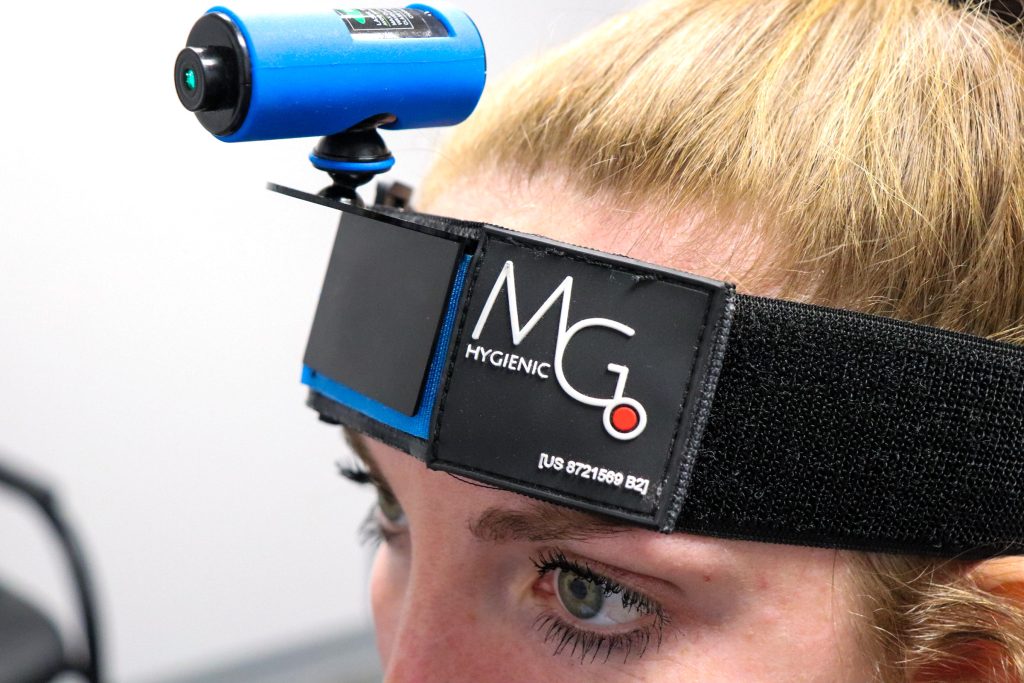
Proper diagnosis requires a thorough neurological evaluation. At our clinic, we begin with a detailed history and symptom review, followed by targeted testing. Tools like video-oculography and posturography allow us to assess:

  • Eye movements and tracking
  • Balance and postural stability
  • Sensory integration between systems

We also screen for contributing factors like migraines or anxiety, which often coexist with PPPD and can make recovery more complex if left unaddressed.

Individualized Treatment with Functional Neurology

Treatment for PPPD is about more than just managing symptoms—it’s about retraining the brain to better process sensory input. Our approach includes:

  • Vestibular rehabilitation therapy (VRT): Exercises that improve gaze stability, balance, and motion tolerance
  • Targeted neuroplastic techniques: Eye movement drills, sensory stimulation, and motor exercises to rebuild efficient neural pathways
  • Gradual exposure therapy: Helping the brain adapt to visual motion and busy environments in a safe, structured way

We individualize each plan to the patient’s needs—no two cases of PPPD are the same. Our goal is to improve function, not just reduce symptoms.

Supporting the Whole Person

Since PPPD can be physically and emotionally draining, we take a holistic, patient-centered approach. In addition to neurological therapy, we support:

  • Stress regulation and relaxation techniques
  • Daily movement and physical activity adapted to your tolerance
  • Sleep quality and nutrition guidance, as both impact brain recovery

Cognitive-behavioral strategies may also help reduce fear or anxious thinking that fuels the cycle of dizziness.

Regain Control and Stability

While PPPD recovery takes time, it is possible with the right tools and support. Many of our patients report significant improvements in their confidence, balance, and ability to return to everyday life.

If you or someone you love is struggling with unexplained dizziness, a functional neurology evaluation can uncover what’s going on beneath the surface—and guide the path toward healing.
Falling Into Fall: How to Reduce Your Risk of Falling This Season

As the vibrant leaves change color and crisp autumn air settles in, it’s the perfect time to talk about fall prevention. While the word “fall” may bring to mind cozy sweaters and pumpkin spice lattes, it’s also a reminder of the risks that come with losing balance and falling—especially for older adults. Falls are the leading cause of injury-related hospitalizations for people over 65, but they can be prevented with proper awareness and proactive measures.

At Lancaster Brain & Spine, we specialize in helping individuals stay steady on their feet. From understanding how your vestibular system impacts balance to tips you can implement at home, here’s everything you need to know about reducing your fall risk this season.

The Importance of Fall Prevention

Falls aren’t just minor mishaps; they can lead to serious injuries like broken bones, head trauma, or long-term mobility issues. Even the fear of falling can significantly impact a person’s quality of life, causing them to reduce physical activity and become more sedentary, which ironically increases fall risk.

Addressing balance issues early and creating a personalized prevention plan can keep you or your loved ones safe and active.

How the Vestibular System Impacts Balance

Your vestibular system, located in the inner ear, is the unsung hero of your balance. It works alongside your vision and proprioception (your body’s sense of position in space) to keep you steady.

When your vestibular system isn’t functioning properly, it can lead to dizziness, vertigo, or unsteadiness—common contributors to falls. Conditions like vestibular neuritis, Meniere’s disease, or even aging-related changes can disrupt this system.

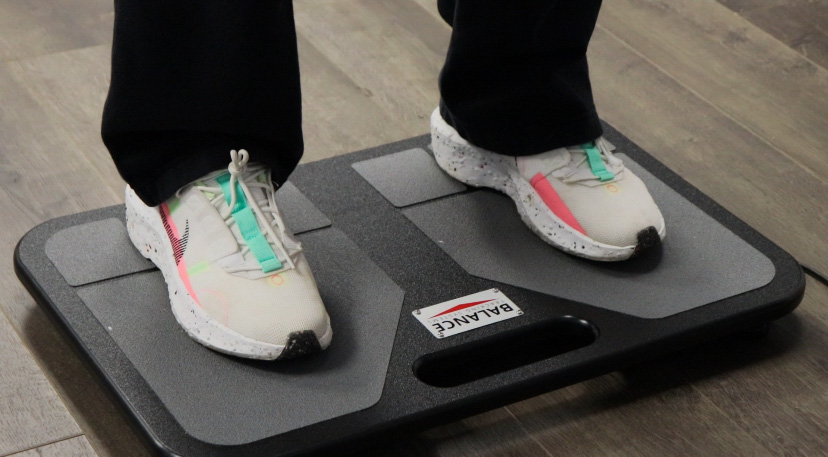
At our clinic, we use advanced diagnostic tools like Vestibular-Ocular Reflex (VOR) testing, balance platforms, and other assessments to pinpoint vestibular dysfunction and create a targeted treatment plan.

Balance Testing: Know Your Risk

dizzy, dizzy blog

In-Clinic Balance Testing:

At Lancaster Brain & Spine, we offer state-of-the-art balance testing to evaluate your risk of falling. Our tests assess your ability to stand, walk, and recover from disturbances, helping us identify any weaknesses in your vestibular, visual, or proprioceptive systems.

At-Home Balance Testing:

While professional testing is ideal, there are simple ways to evaluate your balance at home:

• Single Leg Stand Test: Try standing on one leg for 30 seconds without holding onto anything. If this feels challenging, it’s a sign you may need balance training.

• Tandem Walk Test: Walk heel-to-toe in a straight line for 10 steps. Difficulty maintaining a straight path may indicate balance issues.

If you notice difficulties with these tests, it’s a good idea to seek a professional evaluation.

Tips for Fall Prevention

Preventing falls doesn’t have to be complicated. Here are simple steps to reduce your risk:

1. Stay Active:

Regular exercise improves strength, flexibility, and coordination. Focus on activities like yoga, tai chi, or walking that promote balance and stability.

2. Eliminate Hazards at Home:

Preventing falls begins with making your home as safe as possible. Start by securing loose rugs or removing them entirely to avoid tripping hazards. Clear clutter from walkways to ensure unobstructed paths. Installing grab bars in bathrooms and along stairways can provide extra support where slips are more likely. Additionally, make sure your home is well-lit, particularly in high-traffic areas, to improve visibility and reduce the risk of accidental falls.

3. Wear Supportive Footwear:

Avoid slippery soles or high heels, and choose shoes that offer good grip and support.

4. Stay Hydrated:

Dehydration can cause dizziness and low blood pressure, increasing fall risk.

5. Have Your Eyes Checked:

Poor vision can impact depth perception, making it harder to navigate uneven surfaces. Regular eye exams are crucial.

6. Review Medications:

Some medications can cause dizziness or drowsiness. Talk to your healthcare provider about side effects and alternatives.

7. Strengthen Your Vestibular System:

Exercises like head turns, balance beam walking, or standing on an unstable surface (like a foam pad) can improve your vestibular function.

How Lancaster Brain & Spine Can Help

At Lancaster Brain & Spine, we take a comprehensive approach to fall prevention. Our balance and vestibular evaluations allow us to create personalized plans tailored to your unique needs. We may incorporate:

• Vestibular rehabilitation therapy (VRT): Exercises designed to retrain your vestibular system.

• Balance training: Using tools like balance platforms and interactive exercises to improve coordination.

• Neurological care: Addressing any underlying brain or nerve conditions that may impact balance.

Don’t Let Fall Risks Hold You Back

Falling isn’t a normal part of aging, and it’s never too early to take steps to protect yourself. By understanding your risk factors and working proactively to improve balance and strength, you can enjoy the autumn season without fear.

Whether you’re looking for a thorough balance assessment or guidance on staying steady on your feet, Lancaster Brain & Spine is here to help. Schedule your appointment today and take the first step toward a safer, healthier future.

Call us at (717) 299-9600 or visit www.lancasterbrainandspine.com to learn more.

The Importance of Eye Movements in Functional Neurology: A Closer Look

Last month, we focused on a fascinating aspect of brain function and health—eye movements. Eye movements can reveal so much about how the brain is working, and at our functional neurology clinic, they are a key part of our diagnostic and therapeutic approach. Understanding these movements and what they tell us can help uncover neurological dysfunctions that might otherwise go unnoticed. In this blog post, we’ll dive deeper into the eye movements we discussed on our Instagram, why they matter, and how we evaluate and train these movements in our clinic.

VNG: A Tool for Comprehensive Eye Evaluation

One of the main tools we use to evaluate eye movements is video nystagmography (VNG). This technology allows us to record and analyze eye movements in great detail, helping us assess various neurological conditions, from vestibular dysfunctions to concussions. By tracking the eye’s response to specific visual and physical stimuli, we can get valuable insight into the brain’s ability to control movement, focus, and balance. VNG helps us measure responses like saccades, pursuits, and the optokinetic response (OPK), giving us a clearer picture of how well the brain and body are communicating.

Saccades: Quick Movements with Big Implications

Saccades are the rapid, quick eye movements we make when shifting our gaze from one object to another. They are automatic and necessary for tasks like reading or scanning a room. In functional neurology, saccades tell us about how the brain is processing information and controlling motor functions. Impaired saccades may point to issues with attention, focus, and cognitive processing speed, or they may suggest damage to areas like the cerebellum or brainstem. By assessing the accuracy and speed of saccades, we can help patients improve their eye movement control and, in turn, their overall brain function.

Pursuits and OPK: The Brain’s Ability to Track Movement

Pursuits, or smooth pursuit movements, are slow, controlled eye movements that allow us to track moving objects. For example, when you watch a car drive down the street, your eyes follow it smoothly. Poor pursuit movements can indicate neurological problems that affect balance, focus, or visual processing. Alongside pursuits, we evaluate the optokinetic response (OPK), which measures the eye’s ability to follow a moving object while being aware of the background. OPK is crucial for spatial awareness and can reveal deeper insights into how the brain integrates visual information.

Convergence and Divergence: Working as a Team

Convergence and divergence are movements that help the eyes work together as a team. Convergence occurs when the eyes move inward to focus on a nearby object, while divergence happens when they move outward to focus on something farther away. These movements are essential for tasks like reading, and problems with convergence or divergence can cause headaches, eye strain, and difficulty concentrating. To evaluate these movements, we often use Brock Beads, a simple but effective tool for training the eyes to improve convergence and divergence. This helps retrain the brain and eyes to work together smoothly, improving both vision and cognitive function.

Nystagmus: Involuntary Eye Movements

Nystagmus is an involuntary, repetitive movement of the eyes that can be horizontal, vertical, or rotary. It’s usually a sign of an underlying neurological or vestibular issue. By studying nystagmus, we can uncover dysfunctions in the vestibular system, which plays a key role in balance and spatial orientation. Identifying nystagmus is important for diagnosing conditions like vertigo, concussion, or other balance-related disorders, allowing us to tailor specific therapies to help manage these issues.

Square Wave Jerks: Small Movements, Big Clues

Square wave jerks are small, quick eye movements that interrupt fixation—when the eye is trying to stay focused on a single point. While they may seem minor, these movements can be indicative of more significant neurological problems, particularly in the brainstem or cerebellum. Monitoring square wave jerks can help us evaluate the integrity of these areas of the brain and guide treatment approaches that focus on improving motor control and stability.

Eye Alignment: Hypotropia, Hypertropia, Esophoria, and Exophoria

Issues with eye alignment, such as hypotropia (one eye pointing downward) or hypertropia (one eye pointing upward), can indicate neurological imbalances affecting the muscles that control eye movements. Similarly, esophoria (inward deviation) and exophoria (outward deviation) point to problems with binocular vision—how well the eyes work together. These conditions can lead to double vision, headaches, or eye strain, especially during tasks that require focus, like reading or working on a computer. Correcting these imbalances through therapies that train the eyes to align properly can significantly improve a patient’s daily functioning.

Why Eye Movements Matter in Functional Neurology

In functional neurology, eye movements offer a window into the brain’s health and function. When we evaluate how the eyes move, track objects, or focus on specific points, we are really assessing how different parts of the brain are working together. Issues with eye movements can indicate broader neurological problems that affect balance, coordination, cognitive processing, and focus. By addressing these issues through targeted therapies, we can help patients improve not just their vision, but their overall brain function and quality of life.

What We’ve Learned and What’s Next

Last month, we took a deep dive into eye movements on our Instagram page, exploring how they reveal important insights into brain function. This month, we’ll continue to expand on these ideas, offering more information on how we use advanced diagnostic tools and therapies to address neurological dysfunctions. Whether it’s training the eyes to work together or improving how the brain processes visual information, we’re committed to helping our patients regain control of their health.

Stay tuned as we continue to explore these important topics and showcase the powerful ways functional neurology can make a difference in your life!

Unleashing Your Brain’s Potential: A Functional Neurologist’s Perspective on Brain Training

In our ever-evolving understanding of brain health, one thing is clear: the brain is not a static organ but a dynamic, adaptable system capable of remarkable change. This adaptability, known as neuroplasticity, is at the heart of brain training. As functional neurologists, we harness this power to improve cognitive function, coordination, and overall brain health. In our clinic, we use a variety of cutting-edge tools to achieve these goals, each designed to target specific areas of brain function. Here’s how they work and why they are essential in our practice.

Highmark EQ Brain Training and C3 Logix

Let’s start with two powerful tools: Highmark EQ Brain Training and C3 Logix. Highmark EQ is designed to strengthen the connection between cognitive processes and emotional regulation. By challenging the brain with tasks that require both cognitive agility and emotional control, we can improve decision-making, enhance emotional resilience, and boost overall cognitive performance. This is particularly beneficial for individuals who experience difficulty in managing stress or making quick, effective decisions.

C3 Logix, on the other hand, is a comprehensive brain function testing and training tool. It allows us to assess various aspects of brain performance, including memory, motor skills, and cognitive speed. By identifying specific areas of weakness, we can create a targeted training program to improve those functions. C3 Logix is invaluable for anyone recovering from a brain injury or looking to optimize their cognitive function for daily life or high-performance environments.

Balance Training with BTracks Board

Balance is a fundamental aspect of both physical and cognitive health, and our BTracks board plays a crucial role in training it. Balance training is not just about staying upright; it’s about improving the brain’s ability to process sensory information and coordinate muscle movements. The BTracks board challenges the brain to maintain stability in various positions and under different conditions, enhancing proprioception and vestibular function. This type of training is particularly beneficial for individuals recovering from injuries, those with balance disorders, or athletes looking to optimize their performance.

Neuro Sensorimotor Integrator

The Neuro Sensorimotor Integrator (NSI) is another vital tool in our brain training arsenal. This device is designed to improve the integration of sensory and motor functions. By engaging the brain in tasks that require precise hand-eye coordination, visual processing, and motor planning, the NSI helps to strengthen neural pathways that are essential for everyday activities. It’s particularly effective for individuals with learning disabilities, ADHD, or those recovering from a stroke, as it enhances cognitive functions while also improving physical coordination.

Interactive Metronome

Timing is everything, especially when it comes to brain function. The Interactive Metronome is a unique tool that trains the brain’s timing mechanisms. By requiring patients to match their movements to a rhythmic beat, the Interactive Metronome helps improve cognitive processing speed, attention, and motor coordination. This type of training is particularly beneficial for individuals with ADHD, autism, or anyone looking to enhance their cognitive efficiency and motor skills.

Motion Guidance

Our Motion Guidance system is a distinctive approach that combines cognitive and motor training. By engaging in exercises that require precise movements, patients work on improving their spatial awareness, proprioception, and motor control. This training is especially beneficial for individuals with vestibular disorders, neck pain, or those recovering from a concussion, as it helps retrain the brain to manage movement and coordination effectively.

Neurofeedback

Neurofeedback is perhaps one of the most fascinating tools we use in our practice. This technique involves monitoring brainwave activity and providing real-time feedback to the patient. By visualizing their brainwaves, patients can learn to regulate their brain function, improving focus, reducing anxiety, and enhancing overall mental clarity. Neurofeedback is particularly effective for individuals with anxiety, depression, ADHD, and sleep disorders, as it empowers them to take control of their brain’s activity patterns.

Why We Use These Tools in Our Functional Neurology Office

At the core of functional neurology is the belief that the brain can change and improve its function with the right stimuli and training. The tools we use in our clinic are carefully selected to target specific aspects of brain function, whether it’s cognitive performance, motor coordination, or emotional regulation. Each tool plays a unique role in helping our patients achieve optimal brain health, whether they are recovering from an injury, managing a neurological condition, or simply looking to enhance their cognitive abilities.

By combining these advanced technologies with personalized care, we can offer a comprehensive approach to brain training that is both effective and sustainable. Our goal is to empower our patients to take an active role in their brain health, providing them with the tools and support they need to reach their full potential. Whether you’re looking to recover, maintain, or optimize your brain function, our functional neurology office is here to guide you on your journey to better brain health.
Sent from my iPhone

Peripheral Neuropathy: A Functional Neurologist’s Approach to Laser Therapy

Peripheral neuropathy is a condition characterized by damage to the peripheral nerves, which transmit signals between the central nervous system (the brain and spinal cord) and the rest of the body. This damage can lead to symptoms such as numbness, tingling, burning pain, and muscle weakness. As a functional neurologist, my approach to treating peripheral neuropathy is holistic, focusing on both symptom management and addressing the underlying causes. One of the most promising treatments in our arsenal is laser therapy.

Understanding Peripheral Neuropathy

Peripheral neuropathy can result from a variety of causes, including diabetes, autoimmune diseases, infections, trauma, and exposure to toxins. The condition can affect sensory nerves (which control sensation), motor nerves (which control movement), or autonomic nerves (which control functions such as blood pressure and heart rate). The diversity of symptoms and causes makes it crucial to adopt a comprehensive and individualized treatment plan.

The Role of Laser Therapy

Laser therapy, particularly low-level laser therapy (LLLT) or cold laser therapy, has emerged as a powerful treatment for peripheral neuropathy. This non-invasive therapy uses specific wavelengths of light to penetrate the skin and stimulate cellular processes that promote healing. Here’s how laser therapy benefits patients with peripheral neuropathy:

    1.    Nerve Regeneration: LLLT stimulates the production of nerve growth factors and enhances mitochondrial activity, leading to improved energy production (ATP) in nerve cells. This promotes the repair and regeneration of damaged nerves.

    2.    Improved Blood Circulation: Laser therapy enhances microcirculation, increasing blood flow to the affected areas. This improved circulation delivers essential nutrients and oxygen to the damaged nerves, accelerating their recovery.

    3.    Pain Reduction: The anti-inflammatory effects of laser therapy help reduce pain and discomfort. By decreasing the production of pro-inflammatory cytokines and promoting the release of endorphins (natural painkillers), LLLT provides significant pain relief for many patients.

Integrative Approaches

While laser therapy is central to our treatment strategy, it is often most effective when combined with other therapies. This multimodal approach ensures comprehensive care and addresses the various aspects of peripheral neuropathy.

    1.    Nutritional Support: Proper nutrition is vital for nerve health. Key supplements that support nerve function and repair include:

    •    Alpha-Lipoic Acid: An antioxidant that reduces oxidative stress and improves nerve function.

    •    B Vitamins: Particularly B1 (thiamine), B6, and B12, which are essential for nerve health and regeneration.

    •    Omega-3 Fatty Acids: These have anti-inflammatory properties and support nerve repair.

    Be sure to check with your healthcare provider before starting any new supplements. 

    2.    Electrical Stimulation: Techniques such as Pulsed Radiofrequency Neuromodulation can complement laser therapy. Electrical stimulation helps to enhance nerve function and reduce pain by interrupting pain signals to the brain. 

    3.    Lifestyle Modifications: Addressing underlying conditions like diabetes through diet, exercise, and weight management is critical. For example, maintaining optimal blood sugar levels can prevent further nerve damage and enhance the efficacy of other treatments.

Clinical Evidence and Case Studies

Research and clinical experience strongly support the efficacy of laser therapy for peripheral neuropathy. Studies have shown that patients undergoing LLLT experience significant improvements in pain reduction, nerve conduction, and overall function. Many patients report decreased reliance on pain medications and improved quality of life.

In our practice, we have witnessed remarkable transformations across a diverse range of patients with peripheral neuropathy. Individuals with conditions such as diabetic neuropathy and trauma-related nerve damage have all experienced significant improvements. Laser therapy has provided relief from chronic pain, enhanced nerve function, and restored mobility for many, enabling patients to return to their daily activities with increased ease and comfort.

Conclusion

Peripheral neuropathy can be a challenging condition to manage, but innovative treatments like laser therapy offer new hope. In our office, we emphasize a holistic approach that combines laser therapy with nutritional support, electrical stimulation, and lifestyle modifications. This integrative strategy not only alleviates symptoms but also addresses the root causes of neuropathy, promoting long-term nerve health and overall well-being.

Laser therapy has proven to be a highly effective treatment for peripheral neuropathy, offering pain relief, enhanced nerve regeneration, and improved quality of life for many patients. By embracing a comprehensive and individualized treatment plan, we can provide the best possible outcomes and help patients regain function and enjoy a better quality of life.