Unleashing Your Brain’s Potential: A Functional Neurologist’s Perspective on Brain Training

In our ever-evolving understanding of brain health, one thing is clear: the brain is not a static organ but a dynamic, adaptable system capable of remarkable change. This adaptability, known as neuroplasticity, is at the heart of brain training. As functional neurologists, we harness this power to improve cognitive function, coordination, and overall brain health. In our clinic, we use a variety of cutting-edge tools to achieve these goals, each designed to target specific areas of brain function. Here’s how they work and why they are essential in our practice.

Highmark EQ Brain Training and C3 Logix

Let’s start with two powerful tools: Highmark EQ Brain Training and C3 Logix. Highmark EQ is designed to strengthen the connection between cognitive processes and emotional regulation. By challenging the brain with tasks that require both cognitive agility and emotional control, we can improve decision-making, enhance emotional resilience, and boost overall cognitive performance. This is particularly beneficial for individuals who experience difficulty in managing stress or making quick, effective decisions.

C3 Logix, on the other hand, is a comprehensive brain function testing and training tool. It allows us to assess various aspects of brain performance, including memory, motor skills, and cognitive speed. By identifying specific areas of weakness, we can create a targeted training program to improve those functions. C3 Logix is invaluable for anyone recovering from a brain injury or looking to optimize their cognitive function for daily life or high-performance environments.

Balance Training with BTracks Board

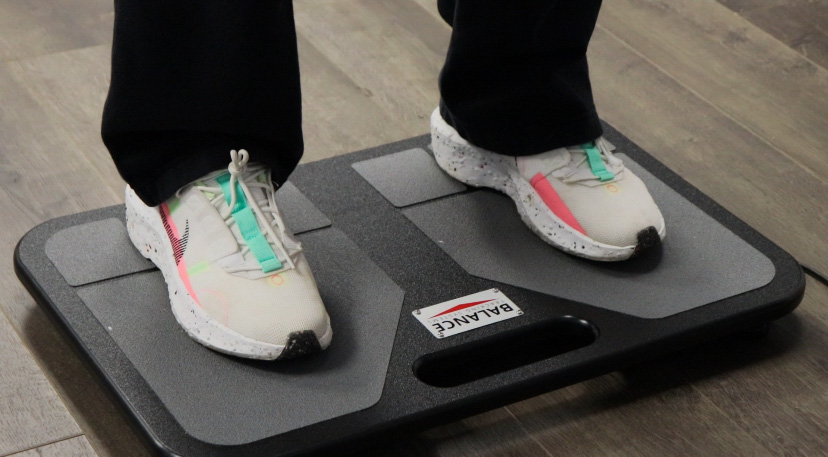
Balance is a fundamental aspect of both physical and cognitive health, and our BTracks board plays a crucial role in training it. Balance training is not just about staying upright; it’s about improving the brain’s ability to process sensory information and coordinate muscle movements. The BTracks board challenges the brain to maintain stability in various positions and under different conditions, enhancing proprioception and vestibular function. This type of training is particularly beneficial for individuals recovering from injuries, those with balance disorders, or athletes looking to optimize their performance.
Neuro Sensorimotor Integrator

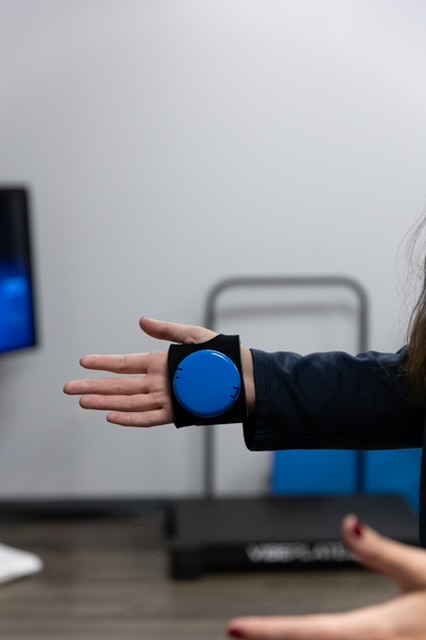
The Neuro Sensorimotor Integrator (NSI) is another vital tool in our brain training arsenal. This device is designed to improve the integration of sensory and motor functions. By engaging the brain in tasks that require precise hand-eye coordination, visual processing, and motor planning, the NSI helps to strengthen neural pathways that are essential for everyday activities. It’s particularly effective for individuals with learning disabilities, ADHD, or those recovering from a stroke, as it enhances cognitive functions while also improving physical coordination.

Interactive Metronome

Timing is everything, especially when it comes to brain function. The Interactive Metronome is a unique tool that trains the brain’s timing mechanisms. By requiring patients to match their movements to a rhythmic beat, the Interactive Metronome helps improve cognitive processing speed, attention, and motor coordination. This type of training is particularly beneficial for individuals with ADHD, autism, or anyone looking to enhance their cognitive efficiency and motor skills.

Motion Guidance

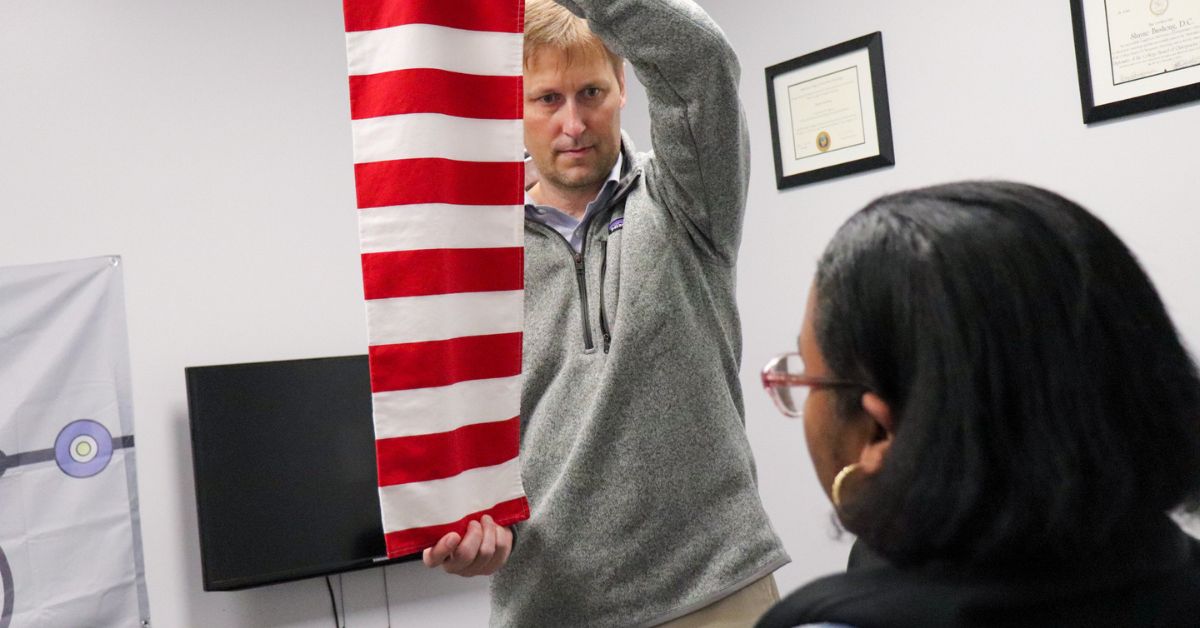
Our Motion Guidance system is a distinctive approach that combines cognitive and motor training. By engaging in exercises that require precise movements, patients work on improving their spatial awareness, proprioception, and motor control. This training is especially beneficial for individuals with vestibular disorders, neck pain, or those recovering from a concussion, as it helps retrain the brain to manage movement and coordination effectively.
Neurofeedback

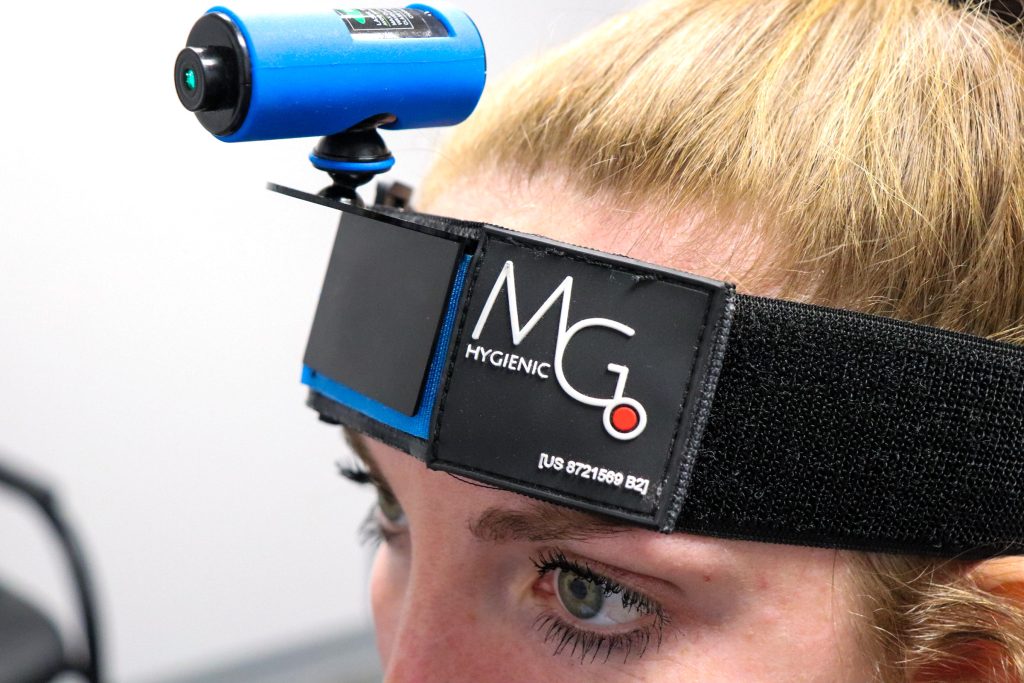
Neurofeedback is perhaps one of the most fascinating tools we use in our practice. This technique involves monitoring brainwave activity and providing real-time feedback to the patient. By visualizing their brainwaves, patients can learn to regulate their brain function, improving focus, reducing anxiety, and enhancing overall mental clarity. Neurofeedback is particularly effective for individuals with anxiety, depression, ADHD, and sleep disorders, as it empowers them to take control of their brain’s activity patterns.

Why We Use These Tools in Our Functional Neurology Office

At the core of functional neurology is the belief that the brain can change and improve its function with the right stimuli and training. The tools we use in our clinic are carefully selected to target specific aspects of brain function, whether it’s cognitive performance, motor coordination, or emotional regulation. Each tool plays a unique role in helping our patients achieve optimal brain health, whether they are recovering from an injury, managing a neurological condition, or simply looking to enhance their cognitive abilities.

By combining these advanced technologies with personalized care, we can offer a comprehensive approach to brain training that is both effective and sustainable. Our goal is to empower our patients to take an active role in their brain health, providing them with the tools and support they need to reach their full potential. Whether you’re looking to recover, maintain, or optimize your brain function, our functional neurology office is here to guide you on your journey to better brain health.
Sent from my iPhone


Peripheral Neuropathy: A Functional Neurologist’s Approach to Laser Therapy

Peripheral neuropathy is a condition characterized by damage to the peripheral nerves, which transmit signals between the central nervous system (the brain and spinal cord) and the rest of the body. This damage can lead to symptoms such as numbness, tingling, burning pain, and muscle weakness. As a functional neurologist, my approach to treating peripheral neuropathy is holistic, focusing on both symptom management and addressing the underlying causes. One of the most promising treatments in our arsenal is laser therapy.

Understanding Peripheral Neuropathy

Peripheral neuropathy can result from a variety of causes, including diabetes, autoimmune diseases, infections, trauma, and exposure to toxins. The condition can affect sensory nerves (which control sensation), motor nerves (which control movement), or autonomic nerves (which control functions such as blood pressure and heart rate). The diversity of symptoms and causes makes it crucial to adopt a comprehensive and individualized treatment plan.

The Role of Laser Therapy

Laser therapy, particularly low-level laser therapy (LLLT) or cold laser therapy, has emerged as a powerful treatment for peripheral neuropathy. This non-invasive therapy uses specific wavelengths of light to penetrate the skin and stimulate cellular processes that promote healing. Here’s how laser therapy benefits patients with peripheral neuropathy:

    1.    Nerve Regeneration: LLLT stimulates the production of nerve growth factors and enhances mitochondrial activity, leading to improved energy production (ATP) in nerve cells. This promotes the repair and regeneration of damaged nerves.

    2.    Improved Blood Circulation: Laser therapy enhances microcirculation, increasing blood flow to the affected areas. This improved circulation delivers essential nutrients and oxygen to the damaged nerves, accelerating their recovery.

    3.    Pain Reduction: The anti-inflammatory effects of laser therapy help reduce pain and discomfort. By decreasing the production of pro-inflammatory cytokines and promoting the release of endorphins (natural painkillers), LLLT provides significant pain relief for many patients.

Integrative Approaches

While laser therapy is central to our treatment strategy, it is often most effective when combined with other therapies. This multimodal approach ensures comprehensive care and addresses the various aspects of peripheral neuropathy.

    1.    Nutritional Support: Proper nutrition is vital for nerve health. Key supplements that support nerve function and repair include:

    •    Alpha-Lipoic Acid: An antioxidant that reduces oxidative stress and improves nerve function.

    •    B Vitamins: Particularly B1 (thiamine), B6, and B12, which are essential for nerve health and regeneration.

    •    Omega-3 Fatty Acids: These have anti-inflammatory properties and support nerve repair.

    Be sure to check with your healthcare provider before starting any new supplements. 

    2.    Electrical Stimulation: Techniques such as Pulsed Radiofrequency Neuromodulation can complement laser therapy. Electrical stimulation helps to enhance nerve function and reduce pain by interrupting pain signals to the brain. 

    3.    Lifestyle Modifications: Addressing underlying conditions like diabetes through diet, exercise, and weight management is critical. For example, maintaining optimal blood sugar levels can prevent further nerve damage and enhance the efficacy of other treatments.

Clinical Evidence and Case Studies

Research and clinical experience strongly support the efficacy of laser therapy for peripheral neuropathy. Studies have shown that patients undergoing LLLT experience significant improvements in pain reduction, nerve conduction, and overall function. Many patients report decreased reliance on pain medications and improved quality of life.

In our practice, we have witnessed remarkable transformations across a diverse range of patients with peripheral neuropathy. Individuals with conditions such as diabetic neuropathy and trauma-related nerve damage have all experienced significant improvements. Laser therapy has provided relief from chronic pain, enhanced nerve function, and restored mobility for many, enabling patients to return to their daily activities with increased ease and comfort.

Conclusion

Peripheral neuropathy can be a challenging condition to manage, but innovative treatments like laser therapy offer new hope. In our office, we emphasize a holistic approach that combines laser therapy with nutritional support, electrical stimulation, and lifestyle modifications. This integrative strategy not only alleviates symptoms but also addresses the root causes of neuropathy, promoting long-term nerve health and overall well-being.

Laser therapy has proven to be a highly effective treatment for peripheral neuropathy, offering pain relief, enhanced nerve regeneration, and improved quality of life for many patients. By embracing a comprehensive and individualized treatment plan, we can provide the best possible outcomes and help patients regain function and enjoy a better quality of life.

What Is Dysautonomia? A Comprehensive Guide For Patients and Caregivers

As a chiropractic neurology clinic, you can imagine we encounter patients struggling with a variety of neurological disorders. One of the main conditions we see and treat is dysautonomia. 

Dysautonomia is an umbrella term for a complex neurological disorder that affects the autonomic nervous system. It causes a range of symptoms and can present in a variety of ways that can be challenging to diagnose and manage. 

This condition isn’t rare either. Dysautonomia International estimates that over 70 million people have some form of this condition. Despite its widespread population, it takes most patients years to receive a diagnosis simply because they’re unaware of what dysautonomia is.

At Lancaster Brain & Spine, we aim to increase awareness of complex conditions by educating our patients. In this blog post, we’ll discuss what dysautonomia is, and cover the symptoms, causes and treatment options for this condition. 

What Is Dysautonomia?

Our autonomic nervous system regulates many of the body’s automatic functions. This includes things like your heart rate, blood pressure, digestion and temperature control. Dysautonomia occurs when there is a dysfunction in this system, resulting in a range of symptoms that can affect many of your body’s functions. 

Dysautonomia can be a primary condition, meaning that it’s a result of a dysfunction of the autonomic nervous system itself. Or it can be a secondary condition, meaning it’s the result of an underlying condition, such as diabetes, Parkinson’s disease, Lyme disease or multiple sclerosis. 

Symptoms Of Dysautonomia

How dysautonomia presents in the body can vary greatly from person to person. These symptoms can include:

  • Dizziness or lightheadedness when standing
  • Fainting or near-fainting (known as syncope)
  • Rapid or irregular heartbeat (known as tachycardia or arrhythmia)
  • Palpitations
  • Shortness of breath
  • Chest pain or discomfort
  • Fatigue
  • Brain fog or cognitive difficulties
  • Headaches
  • Nausea and vomiting
  • Constipation or diarrhea
  • Bladder dysfunction
  • Excessive sweating or lack of sweating
  • Temperature intolerance
  • Insomnia or disturbed sleep

If you’re experiencing any combination of these symptoms, please contact us for a free phone consultation.

The Different Types Of Dysautonomia

There are three main forms of dysautonomia that we diagnose patients with:  

  1. Neurocardiogenic Syncope (NCS)

Neurocardiogenic Syncope (NCS) or Vasovagal Syncope is the most common form of dysautonomia. It’s a typical cause of fainting that relates to a malfunction in the autonomic nervous system. In NCS, a sudden and brief drop in blood pressure and heart rate occurs, leading to a lack of blood flow to the brain and causing you to faint. 

Emotional stress, pain or prolonged standing can often be triggers of NCS.

Symptoms of NCS include:

  • Dizziness or lightheadedness
  • Nausea or sweating
  • A sudden feeling of warmth or coldness
  1. Postural Orthostatic Tachycardia Syndrome (POTS) 

A rapid increase in heart rate without a significant decrease in heart rate characterizes POTS. This sensation can occur when a person moves from lying down to standing up. The body is unable to adjust to the change in posture, causing blood to pool in the lower extremities and reducing blood flow to the brain. 

Symptoms of POTS include:

  • Lightheadedness
  • Occasional fainting
  • Palpitations
  • Headaches
  • Brain fog 
  • Fatigue
  • Headache
  • Exercise intolerance
  • Tremors
  • Nausea
  1. Multiple System Atrophy (MSA)

Multiple System Atrophy (MSA) is a rare, progressive neurodegenerative disorder that usually occurs in older adults. A build-up of a protein called alpha-synuclein in the brain leads to the death of nerve cells and causes MSA.

MSA is a rare and often difficult-to-diagnose condition. Early recognition and management of symptoms is important for improving quality of life.

Symptoms of MSA include:

  • Problems with movement or balance
  • Blood pressure changes
  • Bladder control issues

Causes Of Dysautonomia

The causes of dysautonomia can vary, depending on what type you might have. 

Primary dysautonomia can be genetic or idiopathic, meaning the cause is unknown. While secondary dysautonomia can be the result of various underlying conditions, including:

  • Diabetes
  • Parkinson’s disease
  • Multiple sclerosis
  • Lyme disease
  • Sjogren’s syndrome
  • Chronic fatigue syndrome
  • Ehlers-Danlos syndrome
  • Autoimmune disorders
  • Spinal cord injuries
  • Traumatic brain injuries

Diagnosis & Treatment

Diagnosing dysautonomia can be challenging. As you’ve seen, the symptoms are often vague and overlap with many other possible conditions. 

That’s why, at Lancaster Brain & Spine, we examine “the whole you,” not just the symptoms you come in with. We’ll look at your past history and your body’s various systems while asking extensive questions and performing a thorough examination.

Our specialist diagnostic testing includes tilt-table tests, heart rate variability, videonystagmography and autonomic function that we have in-house at our Lancaster, PA clinic. These extensive testing facilities are why so many surrounding clinics send their neurological patients our way.

The treatment for dysautonomia depends on the underlying cause and the specific symptoms presented. In some cases, lifestyle changes can have a very beneficial impact, such as:

  • Increasing salt and fluid intake
  • Wearing compression socks
  • Regular exercise
  • Staying hydrated
  • Avoiding triggers

At our Lancaster-based clinic, we administer treatment and monitor you throughout the process. We also perform therapies in stages, from lying down to tilted or standing, to ensure consistent, but not overwhelming, growth. We track the variability of regulating blood pressure, heart rate and breathing and aim to improve your symptoms with the least discomfort possible.

That’s why we offer intensive weeks. We can improve neurological problems with consistent treatment spread out over a few days due to the brain’s neuroplasticity. Wondering if an intensive week could work for you? Book a free 15-minute telephone consult to discuss this treatment option with our staff. 

Living With Dysautonomia

Living with this condition can be challenging. But it is possible to manage symptoms and lead a fulfilling life. The best way to do this? Work with knowledgeable professionals who can create a custom dysautonomia treatment plan for you. Depending on your circumstances, this plan may include medical intervention or lifestyle modifications. Whatever the recommended treatment, it’s a plan to help you get back to living your best life. 

Want A Second Opinion?

If you or a loved one are experiencing any of the symptoms associated with dysautonomia, we recommend you seek a professional opinion. 

Request a free telephone consultation with us by completing our quick contact form. One of our lovely staff will arrange a call between you and one of our experts, where we can discuss your symptoms and the next best steps. 

At Lancaster Brain & Spine, we specialize in invisible pain, so you’re in safe hands.

Book your free 15-minute telephone consult with us here.

A Guide To Diagnosing Peripheral Neuropathy: 10 Ways To Self-Assess At Home

We all know that regular health assessments are crucial for maintaining good health. Not only can they help us detect problems early on, but they also provide valuable insight into your overall well-being. 

While your primary care physician may perform health assessments during your annual check-up, you can also take responsibility for your health by conducting tests and screenings at home. By regularly performing self-assessments, you can identify warning signs or symptoms of various conditions, such as peripheral neuropathy. 

We’re here to help you understand what peripheral neuropathy is, so you’re better equipped to detect the early warning signs at home. 

First Things First — What Is Peripheral Neuropathy?

Peripheral neuropathy is damage to the nerves outside the brain and spinal cord, causing them to work improperly. This nerve damage or irritation can cause uncomfortable symptoms, such as tingling, numbness, weakness and pain. 

It’s most commonly felt in the hands and feet, and can appear as a change in sensation, perception or strength, often described as “weakness” or “atrophy.” 

Some signs and symptoms of peripheral neuropathy include:

  • Gradual onset of numbness, prickling or tingling in your feet or hands, which can spread upward into your legs and arms
  • Sharp, jabbing, throbbing or burning pain
  • Extreme sensitivity to touch or muscle weakness
  • Pain during activities that shouldn’t cause pain, such as putting weight on your feet or when they’re under a blanket
  • Lack of coordination and falling
  • Feeling as if you’re wearing gloves or socks when you’re not

Causes of Peripheral Neuropathy 

There are various conditions that can cause peripheral neuropathy. For example, many people with diabetes will develop some type of neuropathy. Many inherited disorders, tumors, autoimmune diseases and infections can also be a cause.

Peripheral neuropathy is a common condition, but often there is a lack of information about recognizing signs and symptoms. This is a problem, because the sooner you can catch or identify nerve damage, the better chance you have at restoring it to its original state.   

Now a physician can diagnose peripheral neuropathy, but knowing when to seek further help leaves many people feeling unsure. Self-assessment allows you to check if you should seek a professional opinion. Below you’ll find a self-assessment diagnostic that you can use in the comfort of your home.

10 Ways To Self-Assess For Peripheral Neuropathy At Home

To complete this self-assessment, find a quiet place, a pen and a piece of paper. Either physically complete the tests or answer the questions, and then note your score. You can also ask a loved one to help you perform the tests, or self-assess your loved one. 

If you answer “no” to any of the following questions, add 1 point.

1. Can you reach into your purse or wallet, and correctly identify the type of coin? 

2. If you put your hand under running water, can you tell if it’s warm or cold, simply by touch? Does it feel the same on both hands? 

3. Is there a visible color difference between your hands or feet? One might look bluer or redder, while the other is a normal skin tone.

4. Can you tell the difference between the sharp and dull ends of an object, say a pen, while your eyes are closed? Is this sensation the same for every finger and toe?

5. When you’re barefoot, can you tell the type of floor you’re touching? Can you tell if it’s a fluffy carpet or rough hardwood? Can you feel the seams in the wood?

If you answer “yes” to any of the following questions, add 1 point.

6. Do you have hypersensitivity or difficulty with certain footwear feeling constrictive or unsupportive?

7. Do you feel like you constantly need to wear gloves or mittens outside to maintain a constant temperature sensation in your hands?

8. Do you have discoloration from one finger to the next? Does one nail look less healthy than another on either your hands or feet?

9. Do you often trip or stumble?

10. Do you often burn or cut yourself in the kitchen?

What’s your final score? If you or your loved one scored at least 1 point, that could indicate a potential peripheral neuropathy, and you should seek a professional medical opinion. 

Want our opinion? Request a complimentary telephone consultation by completing our quick 5-question contact form. If we think it’s necessary, we’ll invite you in for further testing. 

What Does Getting A Diagnosis Look Like?

Understanding your condition depends on your individual circumstances, but it usually starts with seeking a medical opinion and undergoing diagnostic tests, which may include:

  1. Bedside examination — an in-person examination helps diagnose the structure and functional capacity.
  1. Bloodwork — this is a common first step, and involves drawing blood and testing it for vitamin and mineral deficiencies.
  1. Diagnostic testing — there is equipment called an EMG (Electromyography), which can determine the specific nerve location and extent of the damage.
  1. Nerve biopsy — this is a more invasive procedure, but along with genetic testing, it can help determine why you have peripheral neuropathy and what can be done to improve it.

Non-Invasive Treatment Options 

Peripheral neuropathy can be treated using various methods, with many options for non-invasive or non-surgical treatment options. Laser therapy, for example, has been widely proven to help heal symptoms related to peripheral neuropathy.

Want Our Professional Medical Opinion?

If you think you might have peripheral neuropathy, request a complimentary telephone consultation by completing our quick 5-question contact form here. 

Concussion: 9 Natural Ways To Boost Your Recovery At Home

Suffering from a concussion can be a disorienting, frightening and stressful experience. However, the good news is that many minor concussions can be treated at home with the right care and attention. At Lancaster Brain & Spine, our main goal is to support you or your loved one through the healing process, so you can return to normal life as soon as possible.

Below, we have compiled nine natural ways to treat a concussion at home, because not every concussion requires treatment. However, it is crucial to note that these methods should always be used in conjunction with professional advice and to avoid self-diagnosing. To ensure you don’t have underlying trauma that’s critical or life-threatening, we always recommend getting an expert opinion. 

If you suspect you or a loved one might have a concussion, know that any head trauma should always be taken seriously. If you’re looking for answers, we offer 15-minute telephone consultations, and you can book a call with us here.

How Do I Treat A Concussion? The Road To Recovery

We understand this can be a difficult time, but rest assured that with the right care and attention, you or your loved one can likely make a full recovery. Between 80-90% of people who suffer from concussions are better within 30 days. The remaining people tend to struggle, and that’s where we come in. If you’re suffering from a complex neurological disorder, you might qualify for our intensive treatment.

Here are nine ways to effectively manage your concussion from the comfort of your home and speed up your recovery time (instead of prolonging or exacerbating your symptoms). 

1. Limit Your Screen Time

Exposure to screens, such as computers, cell phones and televisions, can worsen your symptoms following a concussion. Research has shown that limiting screen time in the first 48 hours after sustaining a concussion can significantly reduce your recovery time by up to 50%. By easing the strain on your eyes, you can help your brain recover quicker.

2. Allow Your Body And Mind To Recharge

Rest is crucial for concussion recovery, both physically and mentally. During your recovery, gradually increase your activity level, such as taking short walks, engaging in light household tasks and simple socializing. This movement and social interaction can help your brain process and recalibrate, leading to better healing.

However, excessive rest, known as “cocooning,” where you spend long periods of time in a dark room, should be avoided. You might need a little more sleep than usual, which is totally normal, but we recommend not resting in the dark for more than 48 hours.

3. Get Enough Sleep

Good quality sleep is crucial after a concussion, because this down time allows your brain to heal and recover. Sleep plays an important role in the healing process, as it provides your brain with the opportunity to rest and restore functions. During sleep, the brain can process information, consolidate memories and repair damaged tissue. Adequate sleep can also help reduce symptoms associated with concussions, boost the immune system and improve your mood.

We recommend getting between 7-10 hours of sleep a night.

4. Drink Plenty of Fluids

We all know how important water is for our body’s function, but dehydration can actually exacerbate concussion symptoms, such as headache, fatigue, and confusion, which are commonly associated with this injury. Drinking plenty of fluids can help alleviate these symptoms and encourage your body to heal faster. As proper hydration maintains brain function, it is vital to drink plenty of fluids after a concussion to support healing and reduce inflammation.

5. Intermittent Fasting

You may have heard about this diet method for improved health and nutrition, but intermittent fasting is also a powerful tool for boosting the body’s healing process. By restricting your eating period to an 8-hour window each day, you stimulate the immune system and activate your body’s natural mechanisms for clearing out damaged cells. This is achieved by causing slight stress on your body, which in turn promotes the production of microglial cells. These cells play a crucial role in repairing damaged tissue and supporting your brain’s healing process.

Before incorporating intermittent fasting into your routine, it’s important to consult with a medical professional to ensure that it’s a safe and appropriate approach for you. 

6. Nourish Your Brain For Optimal Healing

After a concussion, it’s crucial to prioritize nourishing your body and brain to support the healing process. Unfortunately, many popular foods can actually hinder the healing process and prolong your recovery. Sugar and processed foods are two examples, as they increase inflammation, disrupt blood sugar levels, and impair brain function.

Sugar and processed foods can also reduce the effectiveness of your immune system and slow down the body’s natural healing mechanisms. This can increase the risk of further injury and prolong your recovery process — which nobody wants. In contrast, a diet rich in whole, nutrient-dense foods can provide your body with the essential nutrients and energy it needs to heal and recover.

7. Take Inflammation-Fighting Supplements

When it comes to natural concussion recovery, it’s important to address the underlying inflammation that can prolong symptoms. Adding anti-inflammatory supplements and foods to your diet can help support the healing process and reduce inflammation in your brain. 

One supplement we recommend taking is fish oil, which is high in omega-3 fatty acids, particularly DHA, and is essential for brain health and repair. Another effective anti-inflammatory, turmeric, has been shown to reduce inflammation and promote healing throughout the body.

8. Avoid Overstimulation

It’s important to avoid too much stimulation during your recovery, such as large crowds in busy environments, as noise and visual motion can cause sensory overload and further strain your brain. By avoiding sensory overload, you will feel more grounded and your brain will feel relaxed (instead of stressed).

9. Protect Your Senses

After a concussion, your body remains sensitive to both light and sound. This can make everyday activities, such as using a computer or being in bright environments, extremely uncomfortable. To help alleviate these symptoms, it’s important to take steps to protect your senses. 

We recommend wearing sunglasses or rose-tinted glasses when going outside in bright environments. For those using a computer or other screens, blue light-blocking glasses can be especially helpful in reducing the glare and strain on your eyes. Additionally, wearing earplugs can help reduce the impact of loud sounds and relieve auditory sensitivity.

How Long Will My Concussion Last? Recovery Time Frame

Most minor concussions clear up within 7-10 days. However, if you have a history of multiple concussions or other risk factors that make you more susceptible, your symptoms may last longer or become more severe. 

If you experience persistent symptoms for more than 10 days, we recommend you seek the advice of a medical professional. We are here to support you and offer a free telephone consultation with one of our experts to answer any questions you may have. When you come in for a consultation, we use advanced diagnostic equipment, such as videonystagmography and balance testing, to help determine the root cause more quickly.

If this blog post raises any questions or concerns about your condition or a loved one’s, please contact us. We are experts in diagnosing and treating concussions, and offer complimentary 15-minute phone consultations to talk through any issues you may have, and see how we can help you.