
Postural Orthostatic Tachycardia Syndrome, commonly known as POTS, is a type of dysautonomia—a disorder affecting the autonomic nervous system. The autonomic nervous system is responsible for regulating many of the body’s automatic functions, such as heart rate, blood pressure, and digestion. When the autonomic nervous system is disrupted, it can lead to symptoms that impact daily life significantly, and POTS is one of the most prevalent forms of dysautonomia seen today.
What Is POTS?
POTS is characterized by an excessive increase in heart rate when moving from a lying down to a standing position. In healthy individuals, the body adjusts blood flow automatically to maintain a stable heart rate and blood pressure during changes in posture. However, in people with POTS, this regulation doesn’t function properly, causing blood to pool in the lower body and forcing the heart to work harder to circulate blood, leading to symptoms like rapid heartbeat and dizziness.
To be diagnosed with POTS, patients typically need to experience a heart rate increase of at least 30 beats per minute (40 bpm in adolescents) within 10 minutes of standing, without a corresponding drop in blood pressure. This condition primarily affects young adults, especially women, though it can occur at any age.
Symptoms of POTS
POTS can present with a wide range of symptoms, which can vary in severity. Common symptoms include:
• Lightheaded or dizzy upon standing
• Rapid heartbeat (tachycardia)
• Brain fog or difficulty concentrating
• Chronic fatigue
• Exercise intolerance
• Palpitations
• Headaches
• Nausea
• Tremors or shakiness
These symptoms can overlap with other health conditions, so it’s essential to seek a comprehensive evaluation to rule out other possibilities and confirm a POTS diagnosis.
Causes of POTS
The cause of POTS is not always clear, but several factors may contribute:
• Viral infections: Some patients report the onset of POTS after a viral illness.
• Genetic factors: POTS can run in families, suggesting a possible genetic component.
• Physical trauma or surgery: Certain physical traumas or surgeries can trigger POTS.
• Other health conditions: POTS is sometimes associated with other disorders, such as Ehlers-Danlos syndrome, Lyme disease, or autoimmune conditions.
Diagnosis of POTS
Diagnosing POTS usually involves assessing patient history, symptoms, and conducting specific tests. One common diagnostic tool is the tilt table test, where the patient lies on a table that tilts from horizontal to vertical to monitor heart rate and blood pressure changes. This test helps observe how the body responds to changes in position.
At Lancaster Brain & Spine, we use this and other diagnostic tools, including heart rate variability assessments, to thoroughly evaluate POTS and understand how each patient’s autonomic nervous system is functioning.
Treatment Options for POTS at Lancaster Brain & Spine
While there is currently no cure for POTS, various treatments can help manage symptoms and improve quality of life. Our clinic offers tailored treatments that address the underlying issues and help build tolerance to upright posture and physical activities. Here’s an overview of some of the treatment options we offer:
1. Tilt Table Therapy: This is a foundational treatment for POTS patients. By gradually exposing patients to upright positions in a controlled environment, tilt table therapy helps the body adapt to standing over time, reducing symptoms like dizziness and rapid heartbeat. We use this therapy in stages to ensure the body adjusts gradually and safely.
2. Vagal Nerve Stimulation: The vagus nerve plays a crucial role in regulating the autonomic nervous system. Through vagal nerve stimulation, we work to enhance the body’s parasympathetic response, which can help improve symptoms of POTS by calming the nervous system, reducing heart rate, and aiding in digestion.
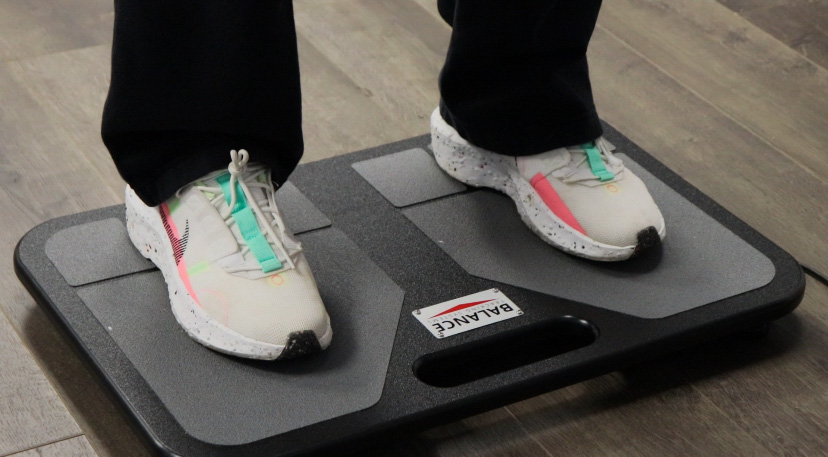
3. Vestibular Therapy: Since POTS often involves symptoms of dizziness and imbalance, vestibular therapy can help improve stability and balance. Through exercises designed to stimulate the vestibular system, we can help retrain the body to maintain steadiness during movement and positional changes.
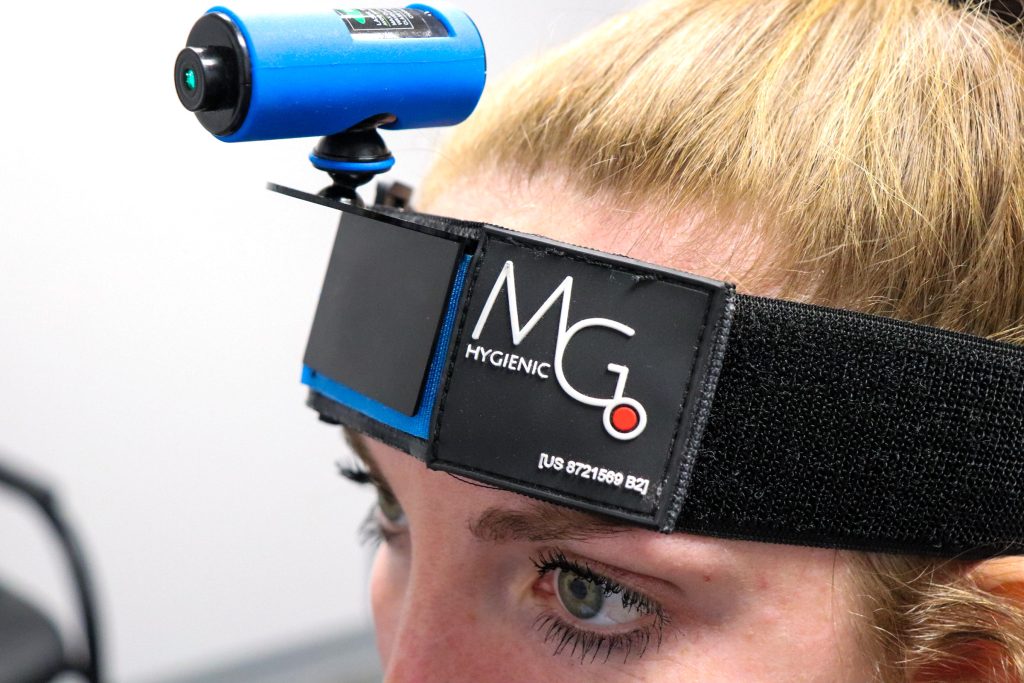
4. Eye Exercises: Eye movements are closely linked to balance and spatial orientation. By performing specific eye exercises, we target areas of the brain involved in these functions, helping to reduce dizziness and improve overall coordination.
5. Core Exercises: A strong core provides essential support for posture and balance, which is crucial for POTS patients. Core exercises can improve strength and stability, which helps to reduce strain on the heart and improve circulation when changing positions.
6. Cardiovascular Conditioning: While exercise can be challenging for those with POTS, cardiovascular conditioning under supervision can help improve tolerance to physical activity. We focus on recumbent or seated exercises initially to build up endurance safely before moving to more demanding exercises.
Tips for Managing POTS Symptoms at Home
Living with POTS requires an understanding of how to manage symptoms in day-to-day life. Here are some tips for making POTS more manageable:
• Stay Hydrated: Dehydration can worsen symptoms, so drinking plenty of water is essential. Electrolyte-rich drinks can also be beneficial.
• Increase Salt Intake: Sodium helps retain water in the body, which can improve blood volume and circulation. However, it’s important to consult with a healthcare provider before making significant changes to your salt intake.
• Eat Small, Frequent Meals: Large meals can divert blood to your digestive system, which may worsen POTS symptoms. Eating smaller meals throughout the day can help reduce this effect.
• Wear Compression Garments: Compression socks can help reduce blood pooling in the legs, supporting circulation and making it easier to stand for longer periods.
• Avoid Long Periods of Standing: If standing for long periods is unavoidable, try shifting your weight frequently or moving your legs to encourage blood flow.
Supporting Your Journey with POTS
POTS can be a challenging condition, but effective management is possible with the right support. At Lancaster Brain & Spine, we provide personalized care to help patients find relief from their symptoms. Our goal is to empower patients to understand their condition and offer treatments that fit their unique needs.
If you’re experiencing symptoms of POTS or suspect you may have it, consider reaching out to our team. We’re here to guide you through a comprehensive evaluation and develop a treatment plan designed specifically for you.