Suffering from a concussion can be a disorienting, frightening and stressful experience. However, the good news is that many minor concussions can be treated at home with the right care and attention. At Lancaster Brain & Spine, our main goal is to support you or your loved one through the healing process, so you can return to normal life as soon as possible.
Below, we have compiled nine natural ways to treat a concussion at home, because not every concussion requires treatment. However, it is crucial to note that these methods should always be used in conjunction with professional advice and to avoid self-diagnosing. To ensure you don’t have underlying trauma that’s critical or life-threatening, we always recommend getting an expert opinion.
If you suspect you or a loved one might have a concussion, know that any head trauma should always be taken seriously. If you’re looking for answers, we offer 15-minute telephone consultations, and you can book a call with us here.
How Do I Treat A Concussion? The Road To Recovery
We understand this can be a difficult time, but rest assured that with the right care and attention, you or your loved one can likely make a full recovery. Between 80-90% of people who suffer from concussions are better within 30 days. The remaining people tend to struggle, and that’s where we come in. If you’re suffering from a complex neurological disorder, you might qualify for our intensive treatment.
Here are nine ways to effectively manage your concussion from the comfort of your home and speed up your recovery time (instead of prolonging or exacerbating your symptoms).
1. Limit Your Screen Time
Exposure to screens, such as computers, cell phones and televisions, can worsen your symptoms following a concussion. Research has shown that limiting screen time in the first 48 hours after sustaining a concussion can significantly reduce your recovery time by up to 50%. By easing the strain on your eyes, you can help your brain recover quicker.
2. Allow Your Body And Mind To Recharge
Rest is crucial for concussion recovery, both physically and mentally. During your recovery, gradually increase your activity level, such as taking short walks, engaging in light household tasks and simple socializing. This movement and social interaction can help your brain process and recalibrate, leading to better healing.
However, excessive rest, known as “cocooning,” where you spend long periods of time in a dark room, should be avoided. You might need a little more sleep than usual, which is totally normal, but we recommend not resting in the dark for more than 48 hours.
3. Get Enough Sleep
Good quality sleep is crucial after a concussion, because this down time allows your brain to heal and recover. Sleep plays an important role in the healing process, as it provides your brain with the opportunity to rest and restore functions. During sleep, the brain can process information, consolidate memories and repair damaged tissue. Adequate sleep can also help reduce symptoms associated with concussions, boost the immune system and improve your mood.
We recommend getting between 7-10 hours of sleep a night.
4. Drink Plenty of Fluids
We all know how important water is for our body’s function, but dehydration can actually exacerbate concussion symptoms, such as headache, fatigue, and confusion, which are commonly associated with this injury. Drinking plenty of fluids can help alleviate these symptoms and encourage your body to heal faster. As proper hydration maintains brain function, it is vital to drink plenty of fluids after a concussion to support healing and reduce inflammation.
5. Intermittent Fasting
You may have heard about this diet method for improved health and nutrition, but intermittent fasting is also a powerful tool for boosting the body’s healing process. By restricting your eating period to an 8-hour window each day, you stimulate the immune system and activate your body’s natural mechanisms for clearing out damaged cells. This is achieved by causing slight stress on your body, which in turn promotes the production of microglial cells. These cells play a crucial role in repairing damaged tissue and supporting your brain’s healing process.
Before incorporating intermittent fasting into your routine, it’s important to consult with a medical professional to ensure that it’s a safe and appropriate approach for you.
6. Nourish Your Brain For Optimal Healing
After a concussion, it’s crucial to prioritize nourishing your body and brain to support the healing process. Unfortunately, many popular foods can actually hinder the healing process and prolong your recovery. Sugar and processed foods are two examples, as they increase inflammation, disrupt blood sugar levels, and impair brain function.
Sugar and processed foods can also reduce the effectiveness of your immune system and slow down the body’s natural healing mechanisms. This can increase the risk of further injury and prolong your recovery process — which nobody wants. In contrast, a diet rich in whole, nutrient-dense foods can provide your body with the essential nutrients and energy it needs to heal and recover.
7. Take Inflammation-Fighting Supplements
When it comes to natural concussion recovery, it’s important to address the underlying inflammation that can prolong symptoms. Adding anti-inflammatory supplements and foods to your diet can help support the healing process and reduce inflammation in your brain.
One supplement we recommend taking is fish oil, which is high in omega-3 fatty acids, particularly DHA, and is essential for brain health and repair. Another effective anti-inflammatory, turmeric, has been shown to reduce inflammation and promote healing throughout the body.
8. Avoid Overstimulation
It’s important to avoid too much stimulation during your recovery, such as large crowds in busy environments, as noise and visual motion can cause sensory overload and further strain your brain. By avoiding sensory overload, you will feel more grounded and your brain will feel relaxed (instead of stressed).
9. Protect Your Senses
After a concussion, your body remains sensitive to both light and sound. This can make everyday activities, such as using a computer or being in bright environments, extremely uncomfortable. To help alleviate these symptoms, it’s important to take steps to protect your senses.
We recommend wearing sunglasses or rose-tinted glasses when going outside in bright environments. For those using a computer or other screens, blue light-blocking glasses can be especially helpful in reducing the glare and strain on your eyes. Additionally, wearing earplugs can help reduce the impact of loud sounds and relieve auditory sensitivity.
How Long Will My Concussion Last? Recovery Time Frame
Most minor concussions clear up within 7-10 days. However, if you have a history of multiple concussions or other risk factors that make you more susceptible, your symptoms may last longer or become more severe.
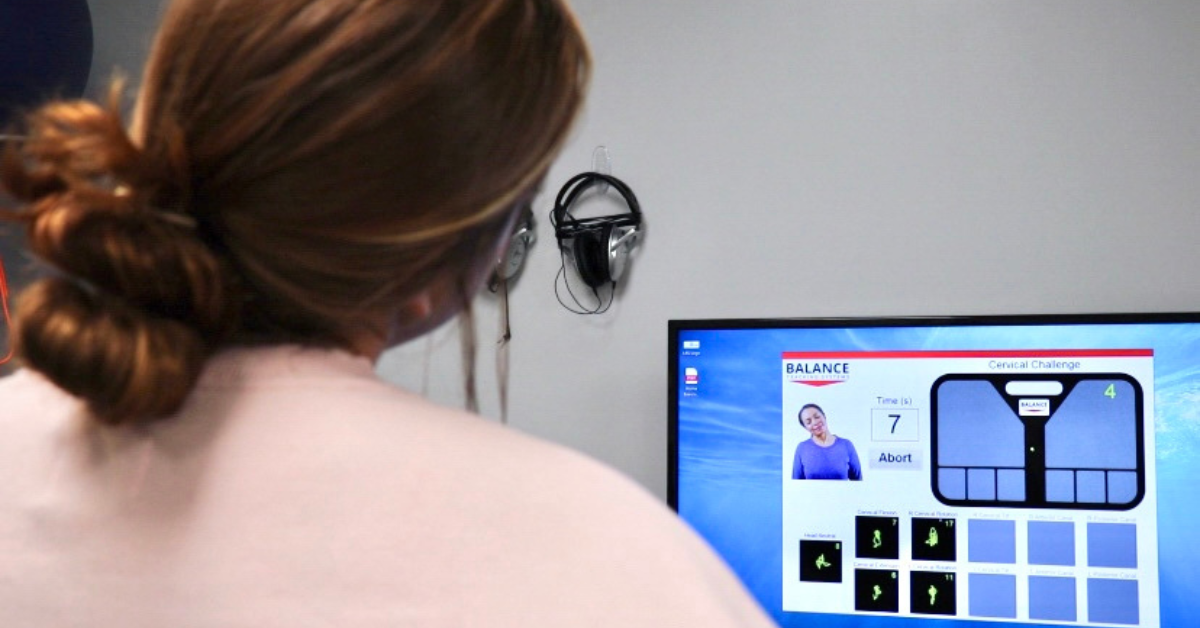
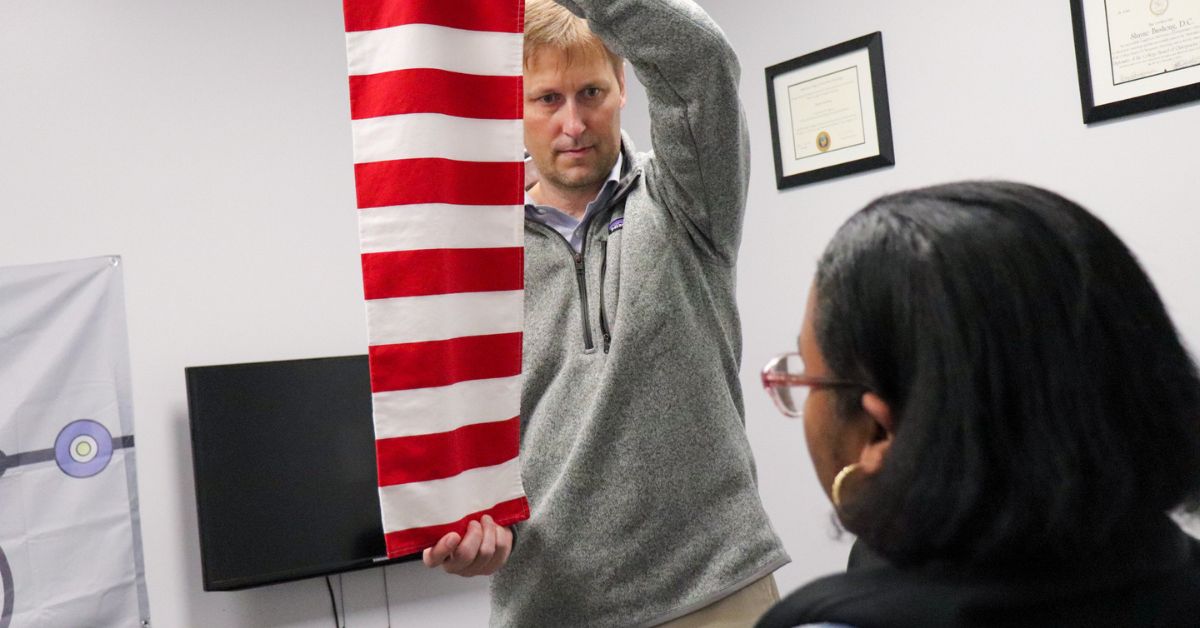
If you experience persistent symptoms for more than 10 days, we recommend you seek the advice of a medical professional. We are here to support you and offer a free telephone consultation with one of our experts to answer any questions you may have. When you come in for a consultation, we use advanced diagnostic equipment, such as videonystagmography and balance testing, to help determine the root cause more quickly.
If this blog post raises any questions or concerns about your condition or a loved one’s, please contact us. We are experts in diagnosing and treating concussions, and offer complimentary 15-minute phone consultations to talk through any issues you may have, and see how we can help you.