Unleash Your Body’s Natural Healing With Non-Invasive Vagal Stimulation

In the pursuit of wellness, we often overlook the profound connection between our mind and body. The vagus nerve, which is an intricate part of your autonomic nervous system, plays a pivotal role in maintaining balance and promoting health. 

The practice of vagal stimulation has gained traction in recent years, focusing on activating this powerful nerve to unlock a wide range of health benefits for our physical and mental well-being. Let’s see if vagal stimulation treatments can benefit you.

So What Is The Vagus Nerve & What Does It Do?

The vagus nerve is the longest and most complex cranial nerve. It begins in the brainstem and extends throughout your entire body, connecting various organs and systems. It primarily operates in the parasympathetic nervous system, which is responsible for your “rest and digest” response. This counters your “fight or flight” reaction associated with stress. 

Activating the vagus nerve is called vagal stimulation, which is like ‘exercising’ your nerve. The goal of vagal stimulation is to improve vagal tone, which refers to the strength of your nerve’s activity. Improved vagal tone means that your nerve has the ability to play a more substantial role in your “rest and digest” parasympathetic nervous system. 

So why would you want to improve your vagal tone through vagal nerve stimulation? Being part of your “rest and digest” system, the vagus nerve plays a role in pain management, digestion, and your immune system. It also promotes relaxation, reduces stress and is important in your overall well-being. 

Finally, there is also a motor component to your vagus nerve, which controls various muscles in your neck and throat. But for the purposes of this article, we’ll primarily focus on the sensory components.

Who Is Vagal Stimulation For?

Vagal nerve stimulation (VNS) increases vagal tone over time, and enhanced tone has the capability to help you recover from a wide range of conditions. The higher your vagal tone, the more appropriately your body can respond to external stimuli, like stress and pain. VNS influences the release of neurotransmitters, such as acetylcholine, norepinephrine and serotonin. All of these play important roles in various essential bodily functions, from digestion to mood regulation and stress responses.

We treat patients regularly with VNS who are suffering from conditions like:

  • Dysautonomia
  • Chronic pain
  • High stress or anxiety
  • Gastrointestinal distress (constipation, bloating, diarrhea, nausea, abdominal pain, etc.)
  • Chronic headaches or migraines

Now let’s dive into why vagal nerve stimulation can help people who have these specific conditions. 

What Happens When Your Vagus Nerve Is Stimulated? 

VNS is a simple treatment with wide reaching, positive effects. During VNS, several physiological responses occur in your body. Being part of the “rest and digest” system, nerve stimulation causes the body to both calm and slow down. VNS can result in: 

  1. Improved Heart Health

VNS has the capability to lower your heart rate to an appropriate level, causing your blood vessels to dilate (relax and widen), which decreases your blood pressure. Lowering heart rate and blood pressure can prevent cardiovascular issues, such as heart disease and stroke, meaning VNS can have a profound impact on your heart health.

  1. Enhanced Pain Relief

Since the vagus nerve also plays a role in regulating and transmitting pain signals, VNS can effectively reduce pain sensitivity. This makes VNS a potential complementary therapy for individuals suffering from chronic pain conditions. But you may be wondering… How does VNS lead to pain relief? 

Research suggests that when vagal tone is increased, it leads to reduced pain perception and better pain management. Enhanced vagal tone positively impacts your stress response as well as influences inflammation in the body and the release of neurotransmitters involved in pain regulation. While VNS is a safe, beneficial therapy, it’s important to note that there are individual differences that determine how pain is experienced and managed. 

  1. Reduced Stress & Anxiety

Perhaps the most significant benefit of VNS lies in its ability to alleviate stress and anxiety. Activating the vagus nerve triggers the release of acetylcholine, a neurotransmitter that helps regulate your emotions and promotes a sense of calmness. By reducing stress, you can protect yourself from various stress-related health issues such as high blood pressure, insomnia and digestive problems.

  1. Enhanced Digestion

The vagus nerve plays a crucial role in promoting proper digestion. Enhanced vagal tone helps your body to move food through your gastrointestinal tract appropriately and increases the production of stomach acids and digestive enzymes. This leads to better nutrient absorption and reduced gastrointestinal discomfort for anyone dealing with symptoms like bloating, diarrhea and nausea.

  1. Boosted Immune System

Recent studies have shown that VNS can strengthen the immune system by promoting the production of anti-inflammatory cytokines, proteins that control inflammation in your body. This helps your body defend against infections and chronic inflammatory conditions, which we would all like to avoid. 

  1. Improved Mental Health

The positive impact of vagal stimulation extends to mental health as well. By influencing neurotransmitters like serotonin, VNS can alleviate symptoms of depression and improve your overall mood. This therapy gives your body an opportunity to improve naturally and may reduce or eliminate the need for medications.

There is also evidence that suggests VNS plays a role in enhancing memory and learning, so finding ways to stimulate your vagus nerve may also boost your learning ability. The opportunities are endless! 

Can I Stimulate My Vagal Nerve At Home?

Numerous techniques have been developed to stimulate your vagus nerve and enhance its activity. Plus, some of these methods are simple and can even be done at home! They include:

  • Deep breathing: Slow, diaphragmatic breathing helps activate your vagus nerve and elicits a calming response in your body.
  • Humming or gargling: Humming to your favorite songs or gargling water can stimulate your vagus nerve, promoting relaxation and reducing anxiety.
  • Meditation: Mindfulness practices and meditation have been shown to boost vagal tone. 
  • Cold exposure: Cold showers or plunges can activate your vagus nerve and trigger a cascade of health-promoting responses.
  • Laughter: Genuine laughter not only lifts our spirits, but also stimulates your vagus nerve, fostering a sense of well-being.

While these at-home remedies are great to incorporate into daily life, they’re not always enough for someone who is suffering from the conditions we listed above. 

When Should I Seek Professional Help?

If you’re suffering from dysautonomia, chronic pain, high stress or anxiety, gastrointestinal distress, or chronic headaches and/or migraines, and your condition is affecting your day-to-day life, consider clinical VNS. 

It’s possible to stimulate your vagus nerve medically, as a form of therapy, and these techniques are broken down into two categories: 

  1. Invasive vagus nerve stimulation: With this technique, a surgically implanted device delivers an electrical impulse to your vagus nerve to activate it.
  2. Non-invasive vagus nerve stimulation: This application stimulates your vagus nerve using external devices, such as hand-held stimulators, earbuds or clips.

At Lancaster Brain & Spine, we perform non-invasive vagus nerve stimulation techniques. We commonly use: 

  • Auricular branch vagus nerve stimulation: During this treatment, we stimulate your vagus nerve by delivering a gentle electrical pulse to your ear, where the auricular branch of your vagus nerve is.
  • Vagal breathing: This is also known as diaphragmatic breathing, which involves engaging your vagus nerve to activate your body’s relaxation response. The focus of this technique is deep, slow breaths that originate from your diaphragm and we teach you how to perform this breathing correctly, to get optimal benefits.

Is Vagus Nerve Stimulation Right For Me?

Vagal nerve stimulation offers a treasure trove of benefits for both your physical and mental well-being. By incorporating simple practices into your daily routine, such as deep breathing, meditation, laughter, and when needed, clinical applications of VNS, you can tap into the power of your vagus nerve and foster a more resilient and balanced life. 

Embracing VNS as a part of your wellness journey can be a transformative step towards unlocking your body’s natural healing capabilities and achieving a higher state of overall health and happiness. If you think vagal nerve stimulation could help you, book your free 15-minute phone consultation with one of our experts, and we’ll answer all your questions.

Top 5 Ways to Prevent Neurodegenerative Diseases, Like Dementia, Alzheimer’s and Parkinson’s


Even though neurodegeneration (the slow breakdown of your brain) is a natural process of aging, people generally want to avoid or prolong it as long as possible. The most common neurodegenerative diseases that aging people experience are dementia, Alzheimer’s and Parkinson’s. 

According to the National Library of Medicine, approximately two out of three Americans experience some level of cognitive decline or impairment around the average age of 70. While this may be a scary statistic, it’s also one that can motivate you to incorporate healthy habits into your day-to-day life to limit the effects of these life-changing diseases. 

That’s why we’re sharing five simple ways you proactively prevent and delay cognitive decline, and maintain your quality of life. 

What Is Neurodegeneration & Why Does It Happen? 

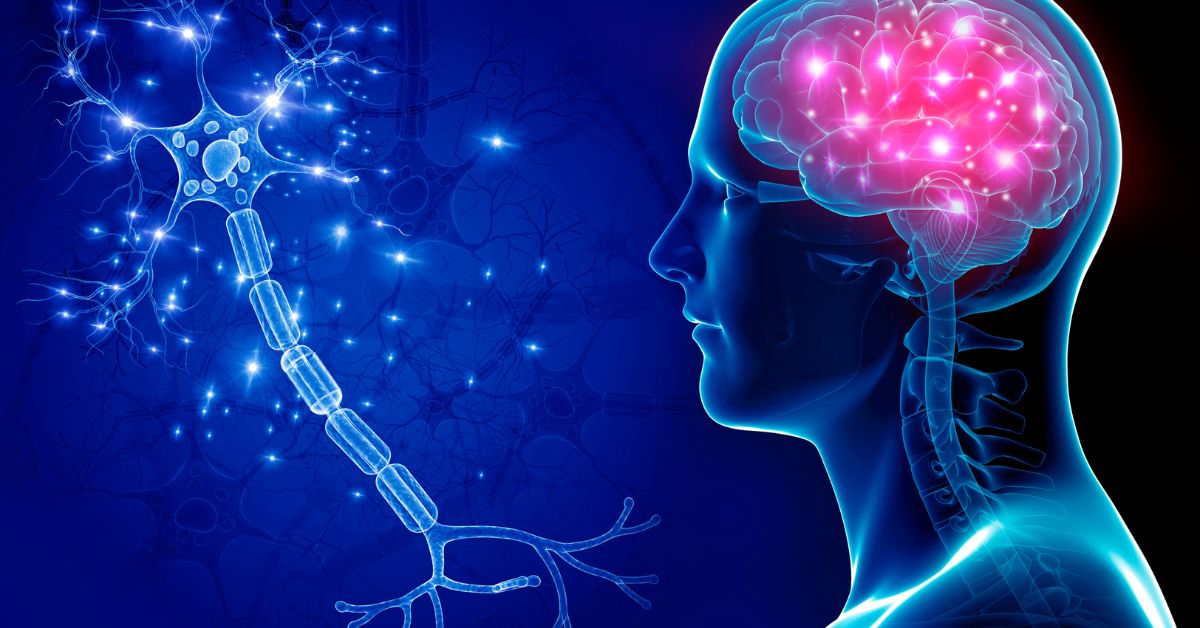
Your brain is made up of billions of neurons, and neurons are specialized cells that send and receive signals, helping your brain work properly. Neurodegenerative diseases, such as dementia, occur when those neurons start to die and/or stop working. 

There are countless factors that contribute to cognitive decline and increase your risk of developing these diseases, many of them being repeated stressors over time. Examples include inflammation, long term stress and trauma. Neurodegenerative diseases can show up in many different ways, with symptoms including memory loss, anxiety, mood changes and more. 

If you are diagnosed with one of these diseases, it can be hard to slow down the process, since the damage has already started to occur. So that means prevention is key. No matter what age you are now, the earlier you start prioritizing activities like we discuss below, the more it will help to prolong or even prevent these diseases from appearing. 

How Can I Prevent Or Prolong Neurodegeneration?

Luckily, there are proven approaches you can take to prevent or delay the onset of neurological diseases. Let’s explore five simple ways you can proactively protect your brain and its health, for as long as possible. 

  1. Exercise Regularly

Exercise does amazing things for your nervous system and is the number one activity you can do to help prevent neurodegeneration. 

Generally, we recommend at least 150 minutes of moderate exercise per week, that gets your heart rate up to approximately 70% of its maximum rate. This amount of exercise can decrease your risk of cognitive decline by 35% or more (which is impressive alone), plus benefit the rest of your body and mind too.

Exercise is beneficial because while you’re improving cardiac function, you’re also increasing blood flow to your brain. And increased blood flow means your brain is receiving more nutrients and oxygen, making your blood vessels more pliable. This leads to healthier neurons and a reduced risk of stroke and brain disease. 

If you want to take it up a notch to benefit your brain and body even more, add resistive exercises to your routine. Ideally, you want to find something that you can do long term — whether that’s lifting weights, swimming, running, whatever! Find something you enjoy, because being consistent and making exercise part of your daily routine will produce optimal results. 

  1. Hit The Sauna

Did you know that using a sauna can give your brain almost the same results as exercise? 

It creates similar short term stress on your body and elevates both your blood pressure and heart rate, just as it would when you’re exercising. The only difference is that your muscles aren’t contracting (therefore, strengthening) as they would while you exercised. While using a sauna can benefit everyone, it’s especially a great option for those who can’t exercise. 

The amount of time you need to spend in a sauna to receive these benefits depends on the kind of sauna, as well as the type and temperature of heat you’re in. For example, spending 15-20 minutes in a sauna at a high temperature, could give comparable effects to spending 35-40 minutes in a sauna with a lower temperature. 

Studies show that people who use a sauna four to seven times per week have a 66% decrease in Alzheimer’s compared to those people who do less — wow!

  1. Practice Good Sleep Hygiene

There are several different stages of sleep, and they’re all important. Both deep sleep and REM sleep (rapid eye movement) are important for your brain function and health. 

During deep sleep, your body flushes out and cleanses your brain of waste products using your lymphatic system. This process is very important for your brain health, and unfortunately doesn’t occur if you don’t get into a deep sleep. 

During REM sleep, you process emotions, organize memories, and rehearse activities or new things that you learned that day. This process is important for cognition — if you’re unable to reach REM sleep, your memory and cognition may be negatively affected.  

It’s been shown that people who have sleep disorders, such as insomnia, sleep apnea and those who report being sleepy during the day, are more prone to cognitive decline. 

If you’re having trouble sleeping, we recommend you speak with a doctor for ways to improve your sleep hygiene. Book your free 15-minute phone consultation.

  1. Try Intermittent Fasting

Intermittent fasting is often connected to weight loss, but this practice has benefits for your brain as well. Even incorporating it as little as two times per week can be beneficial, and is incredibly simple to add to your regular routine.

Intermittent fasting is essentially restricting calories or any type of nutrients for a 16-18 hour window. This puts a low amount of stress on your body, which activates your immune system. When activated, your immune system naturally searches for damaged cells and clears them out before they cause problems. (This includes clearing out damaged or dying neurons in your brain that could contribute to neurodegeneration — and that’s why we recommend intermittent fasting to accelerate concussion healing as well.) 

  1. Take Healthy Supplements

Omega-3 fatty acids are wonderful for your health and many of us don’t get enough in a typical nutritional diet. Two types of these fatty acids in your body are omega-3 and omega-6.

Omega-6 fatty acids:

  • Are found in fried foods 
  • Cause inflammation in our bodies, which leads to nerve degeneration
  • Therefore are NOT recommended

While omega-3 fatty acids:

  • Are found in healthier foods, like fish, nuts, avocados
  • Are anti-inflammatory in nature 

Omega 3s are essentially a brain ‘super-food’ since they’re the building blocks of neurons. Neurons are coated in omega-3 fatty acids, so having an abundance of them in your diet gives your body the ability to repair neurons and keep your brain healthy.  

How Can I Improve My Brain Health? 

We always recommend that the sooner you can implement as many of these easy brain practices into your daily life as possible, the better.  

Because remember…

  • It’s never too late to start
  • Prioritize progress over perfection
  • Find exercise that you enjoy so that you’ll stick with it — consistency is key

If you’d like to learn more about proactive and preventative brain health exercises, contact us for a free 15-minute phone consultation. Our team of professionals would be happy to discuss if the care and treatments we provide are right for you. 

How Neurofeedback Therapy Can Retrain Your Brain

As you might have guessed, the brain is the most complex organ in the body. It’s essential for basic human functions, and is also responsible for how you think, feel and behave. 

Therefore, your brainwaves, which are the electrical activity in your brain, play a huge role in your mental health and behavior. There are five primary types of brainwaves, and each one serves a unique purpose necessary for proper brain function. 

However, your brain lives in a delicate balance, so brainwave disruption can occur, sometimes leading to life-changing symptoms. Disruptions can be caused by a variety of factors, and the most common disruptions that require medical attention are when:

  • One type of brainwave becomes more dominant than others
  • You have too much or too little brainwave activity
  • The left and right sides of your brain aren’t communicating properly

All of these disruptions can have a significant effect on your mental health, but the good news is that neurofeedback therapy can help us determine which of your brainwaves has been disrupted and then correct it without the use of pharmaceuticals. 

Let’s explore how this therapy works and the different ways it can improve your mental health. 

So What Is Neurofeedback?

Also commonly known as electroencephalogram (EEG) or brainwave biofeedback, neurofeedback is a natural, non-invasive therapy that can provide lasting relief from a range of acute to complex disorders. It allows us to explore our patients’ brainwaves. 

Using this technique, we work on retraining the brain so it functions in a healthy way and results in positive change. Rather than temporarily treating symptoms with medication, neurofeedback is a holistic process aimed at addressing the root cause over time.

This therapy can be used to treat a variety of disorders and injuries, as we’ve seen it benefit a range of individuals with varying degrees of:

  • ADHD
  • Autism
  • Depression
  • Anxiety
  • Stress
  • PTSD
  • Insomnia
  • Traumatic brain injuries
  • Panic attacks
  • Seizure disorders
  • Developmental delays
  • And more.

How Does Neurofeedback Work? 

Perhaps you’ve heard the term “biofeedback” before, which is similar to neurofeedback. With biofeedback, we’re checking biophysical measurements, such as heart rate and breathing. While these functions are monitored, you’re given real-time feedback to see if and how you can alter them. For example, using a breathing technique may lower your heart rate (and you’ll be able to see the results right away). 

Now neurofeedback actually works very similarly to biofeedback. During your treatment, you’ll wear a cap with sensors that allows us to monitor your brain’s real-time activity. We set you up in front of a screen so you can watch a show, play a game, or close your eyes and listen to sounds. During your treatment sessions, all you need to do is sit back and interact with the activity, as the “work” happening in your brain is subconscious. 

As your brain engages with the activity, we’re able to watch your brainwaves adapt, and essentially “train” your brain with rewards or subtle changes. Over time, your brain will begin to recognize these changes, and adapt its behavior internally to seek reward. And the end result is your brainwaves spending more time in their ideal state, which means a healthier you. 

But How Does My Brain Recognize A Reward?

During your neurofeedback session, you’ll be engaging with auditory and/or visual feedback while we monitor your brainwaves — for this example, let’s say you suffer from anxiety and we’ve set you up to watch a movie. If the software program notices your brain activity is in an anxious state, it will dim the screen so that it’s harder for you to see the picture. As we see your brain relax and enter a healthy state, the screen will become brighter, therefore subconsciously rewarding your brain on its adaptation.

Over time, these consistent rewards teach and condition your subconscious brain so that it wants to be in a relaxed and calm state. Neurofeedback actually bypasses your conscious mind and directly influences your core impulses and processes which produce your conscious experience of the world — without you even knowing it.

What Does A Neurofeedback Session Look Like? 

Our sessions are simple, comfortable, pain-free and require no real “work” from you. During your treatment, you’ll wear a cap with sensors to measure your brainwaves throughout the session. Although wet caps requiring gel electrodes are traditionally used during neurofeedback therapy, we now have the option of using dry caps.

As we mentioned above, you’ll watch a show, play a game or listen to rewarding sounds while we monitor your brainwaves and give your brain feedback in real-time, using visual or audio cues. 

How Many Neurofeedback Sessions Will I Need? 

Since we’re slowly rewiring your brain, the number of sessions required is different for everyone. Therefore, we always start neurofeedback therapy with a brain mapping session called a QEEG test (quantitative electroencephalogram). 

During this 10-minute test, you’ll pop on the sensored cap that monitors brainwaves. We record your brainwaves for 10 minutes with your eyes open, and 10 minutes with your eyes closed to determine which areas and wavelengths we need to treat. During your next visit, we’ll share your results and then begin treatment.

Each treatment session lasts 30-45 minutes, sometimes booked twice per week, where we will do one or multiple neurofeedback protocols. Generally, we complete 10 treatment sessions and then retest your brain with a new QEEG to monitor progress and modify our protocols. 

Some patients and conditions respond well and achieve results in a short treatment window. Those with chronic, degenerative conditions or underlying medical issues may require up to 40 sessions to achieve optimal results. 

How Do I Know If Neurofeedback Is Right For Me? 

The goal of neurofeedback is to retrain your brain and we’ve seen it benefit a wide range of patients with various brain disorders and injuries. 

Here at Lancaster Brain & Spine, we provide holistic care and assess the whole person, not just the issue you may come in with. So while neurofeedback is one tool that may help you, there may be other treatments and lifestyle changes we suggest you do in combination to achieve the best results. 

If you suffer from anxiety, depression, a traumatic brain injury or are currently going through treatments but are not achieving the results you want, neurofeedback therapy could be the missing piece to help your brain return to a healthier state.

To learn if neurofeedback could help improve your mental health, contact our experts for a free 15-minute phone consultation.

Understanding Back Pain: The Signs, Symptoms & Treatments Of Disc Injuries

Most of us have experienced some form of back injury. Unfortunately, they’re all too common and the discomfort they cause can range from a slight twinge to unbearable pain. 

When back pain does occur, we often hear phrases like ‘I slipped a disc’, ‘I threw my back out’ or ‘I pinched a nerve’. These terms are often used interchangeably (and incorrectly) to describe any form of back injury. And while, yes, they each involve the spinal column, they actually refer to different types of disc injuries. 

So we’re here to explain what discs are, and the various signs and symptoms people experience so you know if and when you or a loved one should seek professional help.  

What Is A Spinal Disc?

Discs lie between your vertebrae, the bones in your spinal column, and each has a tough outer layer with a soft center. Discs serve as:

  • Shock absorbers for your spine, providing a cushion between your bones
  • Nerve root protection, creating space that prevents nerves from being pinched or compressed by the surrounding bones

But what’s really interesting about spinal discs is that they don’t have their own blood supply. Other body parts, like muscles and organs, have blood continuously circulating through them carrying nutrients, keeping your tissue healthy and healing any injuries.

However, since discs don’t have a blood supply, they require a different method to maintain their health and heal from injury. They do this through our natural, everyday movement. Your body’s motion throughout the day causes the discs to compress, stretch and relax, pushing much-needed nutrients into the discs. (That’s why doctors often say movement is the best medicine for a back injury.)

What Types Of Disc Injuries Are There?

The soft center of our spinal discs make them incredible shock absorbers for our spinal columns. However, that also means they can be easily compressed or distorted.

When this happens, we categorize disc injuries into two main types:

  1. Traumatic Onset 

An injury caused by a single moment of impact, movement or force that changes the shape and structure of your disc. Also known as a disc herniation. 

  1. Wear & Tear 

An injury that occurs slowly over time as your disc is compressed. Also known as a disc bulge.   

With a disc bulge, it’s common to lose the spacing and cushion from your disc, resulting in a compressed or pinched nerve from the spinal column, which can be quite painful. 

What Signs & Symptoms Indicate A Disc Injury?

By knowing how common disc injuries may look or feel, you can self-assess and better understand when you should seek help. 

Key signs and symptoms you should watch for include:

  • Loss of strength
  • Loss of sensation (numbness)
  • Loss in muscle mass and tone
  • Changes in reflexes 
  • Back pain
    • Note: Pain is a common symptom of disc injuries, but it alone is not an indicator of severity. It’s entirely possible to have a severe injury with minimal pain and a minor injury with extreme pain.
  • Changes in bowel or bladder function
    • Note: Some lower back spinal nerves travel to your bladder and bowel to help them function. Therefore, changes in function could indicate a spinal column injury if those nerves have been damaged. 

But remember, one of these symptoms alone does not necessarily mean you have a disc injury. For example, if you’re experiencing weakness or numbness, a disc injury is only one possible explanation. Think of your symptoms as puzzle pieces that need to be put together in order to see the full picture. 

That’s why, at Lancaster Brain & Spine, we consider all your symptoms during our thorough full assessment. If you do have one or more of these symptoms, book a free 15-minute telephone consultation with us so we can help you determine the cause.

Ok, I Think I Have A Back Injury — Now What?

Getting a professional, physical examination should be your first step. This assessment will determine if you have a disc injury, if so what type, and which treatment method is recommended.

At Lancaster Brain & Spine, we use a hands-on approach because it allows us to assess symptoms in combination, like reflexes, muscle loss and numbness. Once we’ve determined what type of injury you have and its severity, we develop a treatment plan specific to your injury, lifestyle and goals. 

With a wide range of treatment methods available in-house, we’re able to customize your treatment plan with targeted exercises, personalized treatments and laser therapy. All of our recommended therapies focus on healing your injury, decreasing your pain and helping you regain mobility. 

Tired Of Living With Back Pain?

Even if your pain feels minor, we recommend getting your symptoms assessed and treatment started as soon as possible, because:

  • The level of your pain does not always match the severity of your injury
  • An injury left untreated could lead to serious health and mobility problems down the road
  • A typical reaction when back pain is to sit still. However, specific movements and exercises may actually heal your injury and help you feel better (remember how discs require movement to receive nutrients?)
  • Early diagnosis and treatment puts you on a smoother and faster road to recovery

If you or a loved one are experiencing any symptoms of a disc injury, we recommend seeking a professional opinion to determine the exact cause of your symptoms. 

At Lancaster Brain & Spine, we specialize in these types of injuries and would be happy to discuss how we can help you. To speak with one of our experts, please contact us for your free 15-minute telephone consultation. 

What Is Dysautonomia? A Comprehensive Guide For Patients and Caregivers

As a chiropractic neurology clinic, you can imagine we encounter patients struggling with a variety of neurological disorders. One of the main conditions we see and treat is dysautonomia. 

Dysautonomia is an umbrella term for a complex neurological disorder that affects the autonomic nervous system. It causes a range of symptoms and can present in a variety of ways that can be challenging to diagnose and manage. 

This condition isn’t rare either. Dysautonomia International estimates that over 70 million people have some form of this condition. Despite its widespread population, it takes most patients years to receive a diagnosis simply because they’re unaware of what dysautonomia is.

At Lancaster Brain & Spine, we aim to increase awareness of complex conditions by educating our patients. In this blog post, we’ll discuss what dysautonomia is, and cover the symptoms, causes and treatment options for this condition. 

What Is Dysautonomia?

Our autonomic nervous system regulates many of the body’s automatic functions. This includes things like your heart rate, blood pressure, digestion and temperature control. Dysautonomia occurs when there is a dysfunction in this system, resulting in a range of symptoms that can affect many of your body’s functions. 

Dysautonomia can be a primary condition, meaning that it’s a result of a dysfunction of the autonomic nervous system itself. Or it can be a secondary condition, meaning it’s the result of an underlying condition, such as diabetes, Parkinson’s disease, Lyme disease or multiple sclerosis. 

Symptoms Of Dysautonomia

How dysautonomia presents in the body can vary greatly from person to person. These symptoms can include:

  • Dizziness or lightheadedness when standing
  • Fainting or near-fainting (known as syncope)
  • Rapid or irregular heartbeat (known as tachycardia or arrhythmia)
  • Palpitations
  • Shortness of breath
  • Chest pain or discomfort
  • Fatigue
  • Brain fog or cognitive difficulties
  • Headaches
  • Nausea and vomiting
  • Constipation or diarrhea
  • Bladder dysfunction
  • Excessive sweating or lack of sweating
  • Temperature intolerance
  • Insomnia or disturbed sleep

If you’re experiencing any combination of these symptoms, please contact us for a free phone consultation.

The Different Types Of Dysautonomia

There are three main forms of dysautonomia that we diagnose patients with:  

  1. Neurocardiogenic Syncope (NCS)

Neurocardiogenic Syncope (NCS) or Vasovagal Syncope is the most common form of dysautonomia. It’s a typical cause of fainting that relates to a malfunction in the autonomic nervous system. In NCS, a sudden and brief drop in blood pressure and heart rate occurs, leading to a lack of blood flow to the brain and causing you to faint. 

Emotional stress, pain or prolonged standing can often be triggers of NCS.

Symptoms of NCS include:

  • Dizziness or lightheadedness
  • Nausea or sweating
  • A sudden feeling of warmth or coldness
  1. Postural Orthostatic Tachycardia Syndrome (POTS) 

A rapid increase in heart rate without a significant decrease in heart rate characterizes POTS. This sensation can occur when a person moves from lying down to standing up. The body is unable to adjust to the change in posture, causing blood to pool in the lower extremities and reducing blood flow to the brain. 

Symptoms of POTS include:

  • Lightheadedness
  • Occasional fainting
  • Palpitations
  • Headaches
  • Brain fog 
  • Fatigue
  • Headache
  • Exercise intolerance
  • Tremors
  • Nausea
  1. Multiple System Atrophy (MSA)

Multiple System Atrophy (MSA) is a rare, progressive neurodegenerative disorder that usually occurs in older adults. A build-up of a protein called alpha-synuclein in the brain leads to the death of nerve cells and causes MSA.

MSA is a rare and often difficult-to-diagnose condition. Early recognition and management of symptoms is important for improving quality of life.

Symptoms of MSA include:

  • Problems with movement or balance
  • Blood pressure changes
  • Bladder control issues

Causes Of Dysautonomia

The causes of dysautonomia can vary, depending on what type you might have. 

Primary dysautonomia can be genetic or idiopathic, meaning the cause is unknown. While secondary dysautonomia can be the result of various underlying conditions, including:

  • Diabetes
  • Parkinson’s disease
  • Multiple sclerosis
  • Lyme disease
  • Sjogren’s syndrome
  • Chronic fatigue syndrome
  • Ehlers-Danlos syndrome
  • Autoimmune disorders
  • Spinal cord injuries
  • Traumatic brain injuries

Diagnosis & Treatment

Diagnosing dysautonomia can be challenging. As you’ve seen, the symptoms are often vague and overlap with many other possible conditions. 

That’s why, at Lancaster Brain & Spine, we examine “the whole you,” not just the symptoms you come in with. We’ll look at your past history and your body’s various systems while asking extensive questions and performing a thorough examination.

Our specialist diagnostic testing includes tilt-table tests, heart rate variability, videonystagmography and autonomic function that we have in-house at our Lancaster, PA clinic. These extensive testing facilities are why so many surrounding clinics send their neurological patients our way.

The treatment for dysautonomia depends on the underlying cause and the specific symptoms presented. In some cases, lifestyle changes can have a very beneficial impact, such as:

  • Increasing salt and fluid intake
  • Wearing compression socks
  • Regular exercise
  • Staying hydrated
  • Avoiding triggers

At our Lancaster-based clinic, we administer treatment and monitor you throughout the process. We also perform therapies in stages, from lying down to tilted or standing, to ensure consistent, but not overwhelming, growth. We track the variability of regulating blood pressure, heart rate and breathing and aim to improve your symptoms with the least discomfort possible.

That’s why we offer intensive weeks. We can improve neurological problems with consistent treatment spread out over a few days due to the brain’s neuroplasticity. Wondering if an intensive week could work for you? Book a free 15-minute telephone consult to discuss this treatment option with our staff. 

Living With Dysautonomia

Living with this condition can be challenging. But it is possible to manage symptoms and lead a fulfilling life. The best way to do this? Work with knowledgeable professionals who can create a custom dysautonomia treatment plan for you. Depending on your circumstances, this plan may include medical intervention or lifestyle modifications. Whatever the recommended treatment, it’s a plan to help you get back to living your best life. 

Want A Second Opinion?

If you or a loved one are experiencing any of the symptoms associated with dysautonomia, we recommend you seek a professional opinion. 

Request a free telephone consultation with us by completing our quick contact form. One of our lovely staff will arrange a call between you and one of our experts, where we can discuss your symptoms and the next best steps. 

At Lancaster Brain & Spine, we specialize in invisible pain, so you’re in safe hands.

Book your free 15-minute telephone consult with us here.