Falling Into Fall: How to Reduce Your Risk of Falling This Season

As the vibrant leaves change color and crisp autumn air settles in, it’s the perfect time to talk about fall prevention. While the word “fall” may bring to mind cozy sweaters and pumpkin spice lattes, it’s also a reminder of the risks that come with losing balance and falling—especially for older adults. Falls are the leading cause of injury-related hospitalizations for people over 65, but they can be prevented with proper awareness and proactive measures.

At Lancaster Brain & Spine, we specialize in helping individuals stay steady on their feet. From understanding how your vestibular system impacts balance to tips you can implement at home, here’s everything you need to know about reducing your fall risk this season.

The Importance of Fall Prevention

Falls aren’t just minor mishaps; they can lead to serious injuries like broken bones, head trauma, or long-term mobility issues. Even the fear of falling can significantly impact a person’s quality of life, causing them to reduce physical activity and become more sedentary, which ironically increases fall risk.

Addressing balance issues early and creating a personalized prevention plan can keep you or your loved ones safe and active.

How the Vestibular System Impacts Balance

Your vestibular system, located in the inner ear, is the unsung hero of your balance. It works alongside your vision and proprioception (your body’s sense of position in space) to keep you steady.

When your vestibular system isn’t functioning properly, it can lead to dizziness, vertigo, or unsteadiness—common contributors to falls. Conditions like vestibular neuritis, Meniere’s disease, or even aging-related changes can disrupt this system.

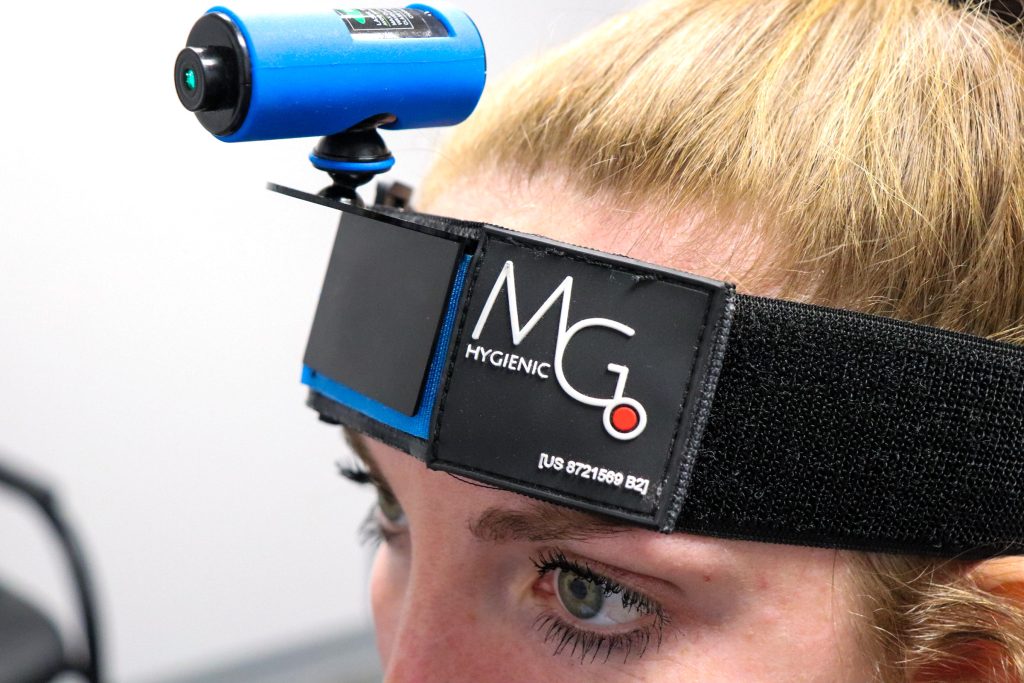
At our clinic, we use advanced diagnostic tools like Vestibular-Ocular Reflex (VOR) testing, balance platforms, and other assessments to pinpoint vestibular dysfunction and create a targeted treatment plan.

Balance Testing: Know Your Risk

dizzy, dizzy blog

In-Clinic Balance Testing:

At Lancaster Brain & Spine, we offer state-of-the-art balance testing to evaluate your risk of falling. Our tests assess your ability to stand, walk, and recover from disturbances, helping us identify any weaknesses in your vestibular, visual, or proprioceptive systems.

At-Home Balance Testing:

While professional testing is ideal, there are simple ways to evaluate your balance at home:

• Single Leg Stand Test: Try standing on one leg for 30 seconds without holding onto anything. If this feels challenging, it’s a sign you may need balance training.

• Tandem Walk Test: Walk heel-to-toe in a straight line for 10 steps. Difficulty maintaining a straight path may indicate balance issues.

If you notice difficulties with these tests, it’s a good idea to seek a professional evaluation.

Tips for Fall Prevention

Preventing falls doesn’t have to be complicated. Here are simple steps to reduce your risk:

1. Stay Active:

Regular exercise improves strength, flexibility, and coordination. Focus on activities like yoga, tai chi, or walking that promote balance and stability.

2. Eliminate Hazards at Home:

Preventing falls begins with making your home as safe as possible. Start by securing loose rugs or removing them entirely to avoid tripping hazards. Clear clutter from walkways to ensure unobstructed paths. Installing grab bars in bathrooms and along stairways can provide extra support where slips are more likely. Additionally, make sure your home is well-lit, particularly in high-traffic areas, to improve visibility and reduce the risk of accidental falls.

3. Wear Supportive Footwear:

Avoid slippery soles or high heels, and choose shoes that offer good grip and support.

4. Stay Hydrated:

Dehydration can cause dizziness and low blood pressure, increasing fall risk.

5. Have Your Eyes Checked:

Poor vision can impact depth perception, making it harder to navigate uneven surfaces. Regular eye exams are crucial.

6. Review Medications:

Some medications can cause dizziness or drowsiness. Talk to your healthcare provider about side effects and alternatives.

7. Strengthen Your Vestibular System:

Exercises like head turns, balance beam walking, or standing on an unstable surface (like a foam pad) can improve your vestibular function.

How Lancaster Brain & Spine Can Help

At Lancaster Brain & Spine, we take a comprehensive approach to fall prevention. Our balance and vestibular evaluations allow us to create personalized plans tailored to your unique needs. We may incorporate:

• Vestibular rehabilitation therapy (VRT): Exercises designed to retrain your vestibular system.

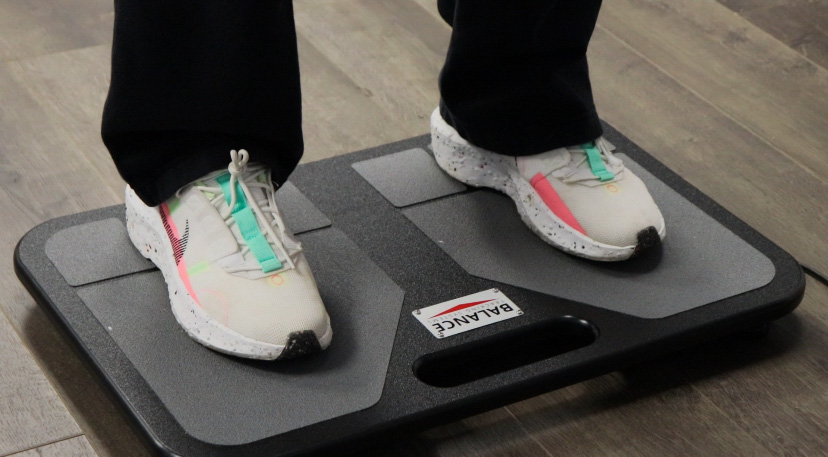
• Balance training: Using tools like balance platforms and interactive exercises to improve coordination.

• Neurological care: Addressing any underlying brain or nerve conditions that may impact balance.

Don’t Let Fall Risks Hold You Back

Falling isn’t a normal part of aging, and it’s never too early to take steps to protect yourself. By understanding your risk factors and working proactively to improve balance and strength, you can enjoy the autumn season without fear.

Whether you’re looking for a thorough balance assessment or guidance on staying steady on your feet, Lancaster Brain & Spine is here to help. Schedule your appointment today and take the first step toward a safer, healthier future.

Call us at (717) 299-9600 or visit www.lancasterbrainandspine.com to learn more.
Unleashing Your Brain’s Potential: A Functional Neurologist’s Perspective on Brain Training

In our ever-evolving understanding of brain health, one thing is clear: the brain is not a static organ but a dynamic, adaptable system capable of remarkable change. This adaptability, known as neuroplasticity, is at the heart of brain training. As functional neurologists, we harness this power to improve cognitive function, coordination, and overall brain health. In our clinic, we use a variety of cutting-edge tools to achieve these goals, each designed to target specific areas of brain function. Here’s how they work and why they are essential in our practice.

Highmark EQ Brain Training and C3 Logix

Let’s start with two powerful tools: Highmark EQ Brain Training and C3 Logix. Highmark EQ is designed to strengthen the connection between cognitive processes and emotional regulation. By challenging the brain with tasks that require both cognitive agility and emotional control, we can improve decision-making, enhance emotional resilience, and boost overall cognitive performance. This is particularly beneficial for individuals who experience difficulty in managing stress or making quick, effective decisions.

C3 Logix, on the other hand, is a comprehensive brain function testing and training tool. It allows us to assess various aspects of brain performance, including memory, motor skills, and cognitive speed. By identifying specific areas of weakness, we can create a targeted training program to improve those functions. C3 Logix is invaluable for anyone recovering from a brain injury or looking to optimize their cognitive function for daily life or high-performance environments.

Balance Training with BTracks Board

Balance is a fundamental aspect of both physical and cognitive health, and our BTracks board plays a crucial role in training it. Balance training is not just about staying upright; it’s about improving the brain’s ability to process sensory information and coordinate muscle movements. The BTracks board challenges the brain to maintain stability in various positions and under different conditions, enhancing proprioception and vestibular function. This type of training is particularly beneficial for individuals recovering from injuries, those with balance disorders, or athletes looking to optimize their performance.

Neuro Sensorimotor Integrator

The Neuro Sensorimotor Integrator (NSI) is another vital tool in our brain training arsenal. This device is designed to improve the integration of sensory and motor functions. By engaging the brain in tasks that require precise hand-eye coordination, visual processing, and motor planning, the NSI helps to strengthen neural pathways that are essential for everyday activities. It’s particularly effective for individuals with learning disabilities, ADHD, or those recovering from a stroke, as it enhances cognitive functions while also improving physical coordination.

Interactive Metronome

Timing is everything, especially when it comes to brain function. The Interactive Metronome is a unique tool that trains the brain’s timing mechanisms. By requiring patients to match their movements to a rhythmic beat, the Interactive Metronome helps improve cognitive processing speed, attention, and motor coordination. This type of training is particularly beneficial for individuals with ADHD, autism, or anyone looking to enhance their cognitive efficiency and motor skills.

Motion Guidance

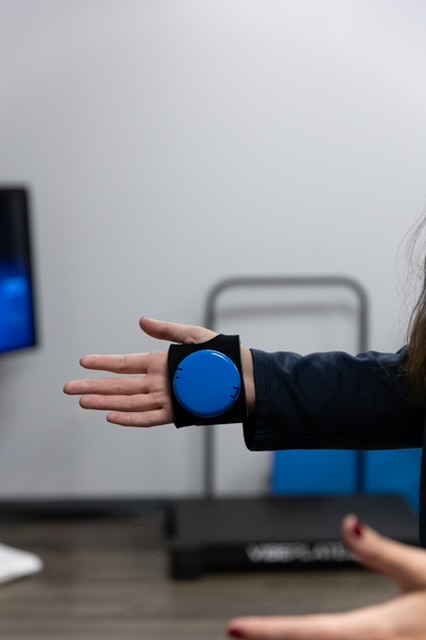
Our Motion Guidance system is a distinctive approach that combines cognitive and motor training. By engaging in exercises that require precise movements, patients work on improving their spatial awareness, proprioception, and motor control. This training is especially beneficial for individuals with vestibular disorders, neck pain, or those recovering from a concussion, as it helps retrain the brain to manage movement and coordination effectively.

Neurofeedback

Neurofeedback is perhaps one of the most fascinating tools we use in our practice. This technique involves monitoring brainwave activity and providing real-time feedback to the patient. By visualizing their brainwaves, patients can learn to regulate their brain function, improving focus, reducing anxiety, and enhancing overall mental clarity. Neurofeedback is particularly effective for individuals with anxiety, depression, ADHD, and sleep disorders, as it empowers them to take control of their brain’s activity patterns.

Why We Use These Tools in Our Functional Neurology Office

At the core of functional neurology is the belief that the brain can change and improve its function with the right stimuli and training. The tools we use in our clinic are carefully selected to target specific aspects of brain function, whether it’s cognitive performance, motor coordination, or emotional regulation. Each tool plays a unique role in helping our patients achieve optimal brain health, whether they are recovering from an injury, managing a neurological condition, or simply looking to enhance their cognitive abilities.

By combining these advanced technologies with personalized care, we can offer a comprehensive approach to brain training that is both effective and sustainable. Our goal is to empower our patients to take an active role in their brain health, providing them with the tools and support they need to reach their full potential. Whether you’re looking to recover, maintain, or optimize your brain function, our functional neurology office is here to guide you on your journey to better brain health.
Sent from my iPhone