Peripheral Neuropathy: A Functional Neurologist’s Approach to Laser Therapy

Peripheral neuropathy is a condition characterized by damage to the peripheral nerves, which transmit signals between the central nervous system (the brain and spinal cord) and the rest of the body. This damage can lead to symptoms such as numbness, tingling, burning pain, and muscle weakness. As a functional neurologist, my approach to treating peripheral neuropathy is holistic, focusing on both symptom management and addressing the underlying causes. One of the most promising treatments in our arsenal is laser therapy.

Understanding Peripheral Neuropathy

Peripheral neuropathy can result from a variety of causes, including diabetes, autoimmune diseases, infections, trauma, and exposure to toxins. The condition can affect sensory nerves (which control sensation), motor nerves (which control movement), or autonomic nerves (which control functions such as blood pressure and heart rate). The diversity of symptoms and causes makes it crucial to adopt a comprehensive and individualized treatment plan.

The Role of Laser Therapy

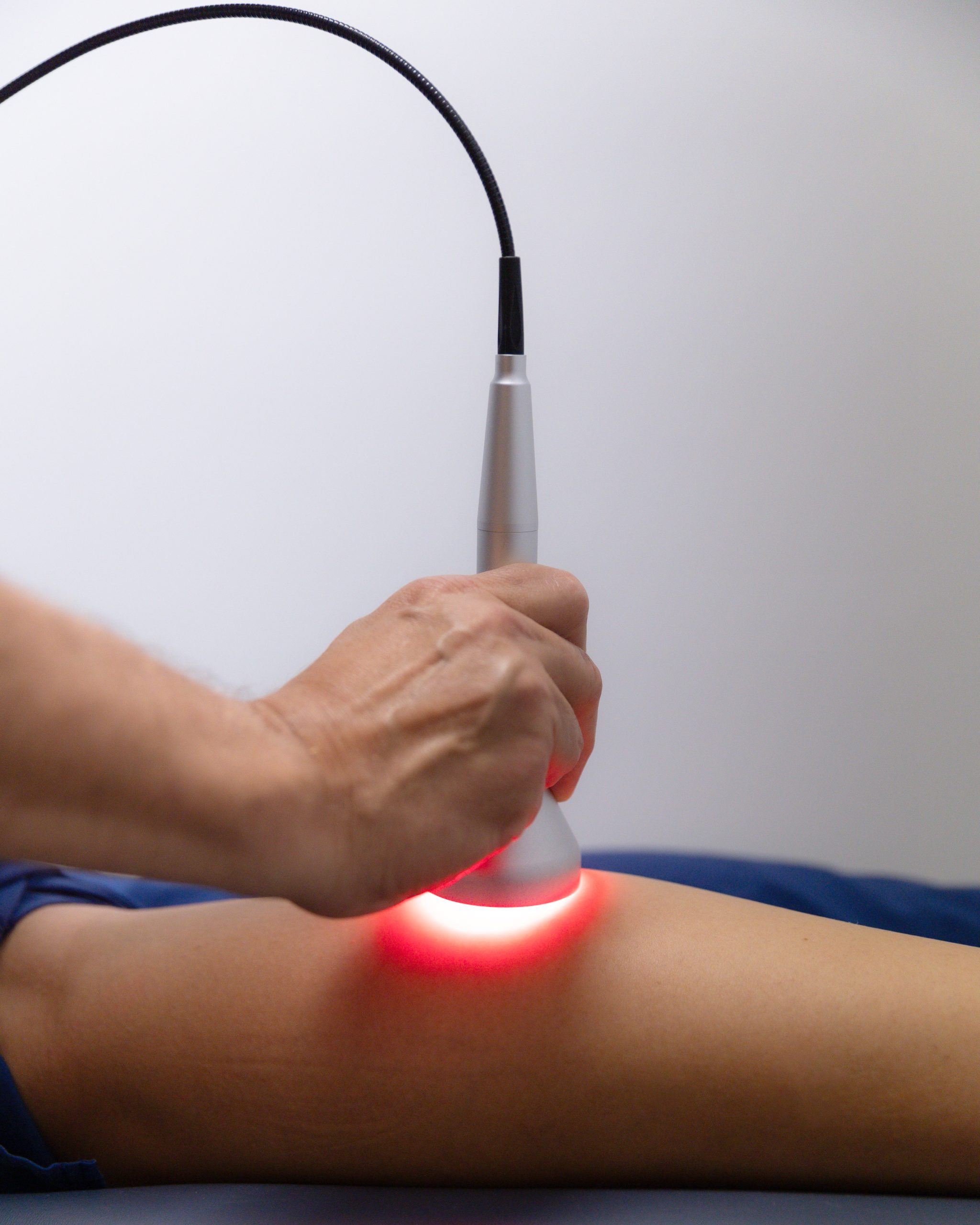
Laser therapy, particularly low-level laser therapy (LLLT) or cold laser therapy, has emerged as a powerful treatment for peripheral neuropathy. This non-invasive therapy uses specific wavelengths of light to penetrate the skin and stimulate cellular processes that promote healing. Here’s how laser therapy benefits patients with peripheral neuropathy:

    1.    Nerve Regeneration: LLLT stimulates the production of nerve growth factors and enhances mitochondrial activity, leading to improved energy production (ATP) in nerve cells. This promotes the repair and regeneration of damaged nerves.

    2.    Improved Blood Circulation: Laser therapy enhances microcirculation, increasing blood flow to the affected areas. This improved circulation delivers essential nutrients and oxygen to the damaged nerves, accelerating their recovery.

    3.    Pain Reduction: The anti-inflammatory effects of laser therapy help reduce pain and discomfort. By decreasing the production of pro-inflammatory cytokines and promoting the release of endorphins (natural painkillers), LLLT provides significant pain relief for many patients.

Integrative Approaches

While laser therapy is central to our treatment strategy, it is often most effective when combined with other therapies. This multimodal approach ensures comprehensive care and addresses the various aspects of peripheral neuropathy.

    1.    Nutritional Support: Proper nutrition is vital for nerve health. Key supplements that support nerve function and repair include:

    •    Alpha-Lipoic Acid: An antioxidant that reduces oxidative stress and improves nerve function.

    •    B Vitamins: Particularly B1 (thiamine), B6, and B12, which are essential for nerve health and regeneration.

    •    Omega-3 Fatty Acids: These have anti-inflammatory properties and support nerve repair.

    Be sure to check with your healthcare provider before starting any new supplements. 

    2.    Electrical Stimulation: Techniques such as Pulsed Radiofrequency Neuromodulation can complement laser therapy. Electrical stimulation helps to enhance nerve function and reduce pain by interrupting pain signals to the brain. 

    3.    Lifestyle Modifications: Addressing underlying conditions like diabetes through diet, exercise, and weight management is critical. For example, maintaining optimal blood sugar levels can prevent further nerve damage and enhance the efficacy of other treatments.

Clinical Evidence and Case Studies

Research and clinical experience strongly support the efficacy of laser therapy for peripheral neuropathy. Studies have shown that patients undergoing LLLT experience significant improvements in pain reduction, nerve conduction, and overall function. Many patients report decreased reliance on pain medications and improved quality of life.

In our practice, we have witnessed remarkable transformations across a diverse range of patients with peripheral neuropathy. Individuals with conditions such as diabetic neuropathy and trauma-related nerve damage have all experienced significant improvements. Laser therapy has provided relief from chronic pain, enhanced nerve function, and restored mobility for many, enabling patients to return to their daily activities with increased ease and comfort.

Conclusion

Peripheral neuropathy can be a challenging condition to manage, but innovative treatments like laser therapy offer new hope. In our office, we emphasize a holistic approach that combines laser therapy with nutritional support, electrical stimulation, and lifestyle modifications. This integrative strategy not only alleviates symptoms but also addresses the root causes of neuropathy, promoting long-term nerve health and overall well-being.

Laser therapy has proven to be a highly effective treatment for peripheral neuropathy, offering pain relief, enhanced nerve regeneration, and improved quality of life for many patients. By embracing a comprehensive and individualized treatment plan, we can provide the best possible outcomes and help patients regain function and enjoy a better quality of life.

Laser Therapy: How It Works & Why We Highly Recommend This Treatment

At Lancaster Brain & Spine, we’re specialists in restoring functionality and repairing damage to the nervous system. At our clinic, we use only the most advanced treatments and tools available to ensure you receive optimal healing. One of these treatments is laser therapy, which has been scientifically proven to accelerate the healing process.

But what is laser therapy, and how can it help you? We’ll walk you through the different classes of lasers, what conditions we treat, and how this new-age tool can help you heal faster.

How Laser Therapy Works

Laser therapy is a specific treatment that uses non-invasive light to create a cellular response in the body when applied to a specific area that has been injured or damaged. This means your body reacts to the light deep underneath the skin’s surface to activate or accelerate repair in the tissues.

Unlike temporary heat-relief practices like applying heat packs, laser therapy actually works long-term to provide relief. Rather than just “numbing” or “distracting” you from the pain, it actually activates and improves the rate of healing, meaning the effects continue long after the light treatment is applied.

This process is also called photobiomodulation (PBM). PBM is just another, more technical name for laser therapy, but it means the same thing.

4 Different Classes Of Laser Therapy

Numerous medical professions offer laser therapy, from low-level to surgical applications. Here’s a quick guide so you know how to distinguish between the different types:

Low Level Laser Therapy (Class 2 & 3)

Also known as LLLT, low level laser therapy is also known as cold laser therapy, because it does not produce heat — it actually uses an infrared light source. LLLT is effective with some types of pain and injuries, especially in conjunction with other therapies or treatments.

High Power Laser Therapy (Class 4)

Also known as HPLT, high power laser therapy is what we offer and specialize in here at Lancaster Brain & Spine. Not only is it effective, but HPLT has also been FDA-approved since 2003, making it a safe, recommended treatment option. It uses a level of power scientifically proven to aid in the healing process without any other outside help.

Surgical Laser 

You may be familiar with laser eye surgery, a corrective vision procedure that uses a laser to change the shape of your cornea. This type of laser therapy is surgical and includes cosmetic procedures, such as laser hair removal.

Why We Use Class 4 High Power Laser Therapy

At our Lancaster Brain & Spine clinic, we believe in using the best possible technology for our patients to achieve the quickest, long-term results, which is why we only use Class 4 laser therapy. Not only is this type of therapy FDA-approved, but it also achieves the best outcomes. That means Class 4 patients receive the best possible results, whether they use other treatments simultaneously or not.

The amount and frequency of the light used during Class 4 treatment depends on the severity of your condition and how much healing is possible. As experts in laser therapy, we customize the application for each patient to ensure your unique healing journey begins.

Through scientific studies, Class 4 laser therapy has been proven to:

  • Reduce inflammation. By stimulating different cellular components within our tissues, we can create a more advantageous situation for the cells.
  • Increase blood circulation. The laser removes chemical imbalances in order to stimulate blood flow. This increases blood circulation and improves overall health. 
  • Improve tissue oxygenation. To heal, your body needs fuel in the form of nutrients, and laser therapy tools infuse the affected area with oxygen to promote healing. This creates the optimal environment for the body to repair and restore.

What Conditions Can Class 4 Laser Therapy Treat?

Class 4 laser therapy is excellent for treating conditions when the pain is not always visible to the naked eye. You sense the discomfort in your bones, or feel it somewhere in your body, but it’s not easily seen. 

A good example would be an injury you might get from playing sports. Let’s say you sprain your ankle — you may experience some bruising or swelling initially, but typically the pain from the injury will linger long after the external symptoms have disappeared. If you are experiencing any pain, aches or soreness, laser therapy could help alleviate those symptoms.

Here is a list of some, but not all, conditions that Class 4 HPLT is helpful in treating:

  • Soft tissue injuries
  • Acute musculoskeletal injuries
  • Arthritis
  • Sprains
  • Knee, shoulder or hip replacements
  • Nerve injuries
  • Nerve compressions
  • Brachial plexus
  • Sciatica
  • Numbness
  • Tingling
  • Spinal conditions

How Can Class 4 Laser Therapy Help You

At our Lancaster-based clinic, we have helped numerous patients experience extreme relief from ongoing, invisible pain thanks to laser therapy treatments. Not only does this treatment option reduce your current aches and pains, but it also improves your rate of healing long after the treatment is finished.

If you’re curious whether laser therapy can work for your particular situation, please contact us for a free 15-minute phone consultation. One of our experts would be happy to discuss it with you.

While there is no obligation to work with us specifically for treatment, we’ll help determine if laser therapy is an option for you. If you are interested in getting started with laser therapy, get in touch today.